In the fast-paced world of investing, information is power. The ability to access and analyze data as it happens can make the difference between capitalizing on a lucrative opportunity and suffering a costly loss. Real-time data has become an indispensable tool for investors seeking to make informed decisions in an increasingly complex and volatile market environment.
This article explores why real-time data is critical for investors, how it impacts decision-making, and the technologies that enable its effective use. Understanding these aspects can help both novice and experienced investors navigate the markets with greater confidence and precision.
The Importance of Timeliness in Investment Decisions
Markets Move Quickly—So Must Investors
Financial markets operate at a breakneck speed, with prices fluctuating by the second due to a multitude of factors such as economic reports, geopolitical events, corporate announcements, and investor sentiment. In such an environment, relying on outdated information can lead to missed opportunities or ill-timed trades.
For example, consider a sudden announcement of a company’s earnings that far exceed expectations. Investors who receive this information instantly can act swiftly to buy shares before the price surges. Conversely, those who rely on delayed data may find themselves paying a premium or missing out entirely. To stay ahead, you can visit Property Store for timely updates and insights.
Moreover, the rise of algorithmic trading has further intensified the need for timeliness. Algorithms can process vast amounts of data in milliseconds, allowing them to capitalize on fleeting market inefficiencies. This means that traditional investors must adapt or risk being outpaced by technology. As a result, the ability to access and analyze real-time information has become a critical skill for modern investors, who must now navigate a landscape where speed is often synonymous with profit.
Reducing Reaction Time to Market Events
Real-time data reduces the lag between an event’s occurrence and an investor’s reaction. This is essential because even a delay of a few minutes can translate into significant financial consequences. Traders and portfolio managers who harness real-time data can execute trades at optimal prices, hedge risks promptly, and adjust strategies dynamically.
In volatile markets, this responsiveness is not just advantageous—it’s often necessary for survival. Investors using delayed or stale data risk making decisions based on obsolete market conditions, which can lead to suboptimal outcomes. Furthermore, the integration of advanced analytics and machine learning into investment strategies allows for predictive modeling that can anticipate market movements before they happen. This proactive approach not only enhances decision-making but also equips investors with the foresight needed to navigate unpredictable market shifts effectively.
How Real-Time Data Enhances Investment Strategies
Improved Market Analysis and Forecasting
Access to up-to-the-minute data allows investors to perform more accurate technical and fundamental analyses. Real-time price feeds, volume data, and order book information enable traders to identify trends, momentum shifts, and liquidity changes as they unfold.
For fundamental investors, real-time economic indicators and news feeds provide immediate insights into macroeconomic conditions and company-specific developments. This timely information supports more precise forecasting and valuation adjustments, leading to better-informed investment theses. Moreover, the ability to react swiftly to unexpected news, such as earnings surprises or geopolitical events, can significantly affect an investor’s bottom line. For example, a sudden announcement of a merger or acquisition can lead to rapid price adjustments, and having real-time data allows investors to capitalize on these moments before the broader market reacts.
Enabling Algorithmic and High-Frequency Trading
Algorithmic trading strategies depend heavily on real-time data to execute trades automatically based on predefined criteria. These algorithms analyze live market data to identify arbitrage opportunities, price discrepancies, or momentum signals and act within milliseconds.
High-frequency trading (HFT) firms, in particular, rely on ultra-low latency data feeds to maintain a competitive edge. Without real-time data, these sophisticated strategies would be impossible, highlighting the critical role that instantaneous information plays in modern markets. The speed at which these algorithms operate means that they can exploit fleeting opportunities that may only exist for seconds or even fractions of a second. This has led to a highly competitive environment where firms invest heavily in technology and infrastructure to minimize latency, ensuring they are the first to react to market changes.
Risk Management and Portfolio Optimization
Real-time data is vital for effective risk management. Investors can monitor their portfolio exposures continuously and respond immediately to adverse market movements. For instance, if a sudden drop in a sector’s index occurs, portfolio managers can rebalance holdings or implement hedges to mitigate losses.
Additionally, real-time data supports dynamic portfolio optimization by providing ongoing feedback on asset performance and correlations. This enables investors to adjust allocations in response to changing market conditions, enhancing returns while controlling risk. Furthermore, the integration of real-time analytics with machine learning models allows investors to predict potential risks more accurately. By analyzing patterns in real-time data, investors can identify emerging threats or opportunities, allowing for proactive adjustments rather than reactive measures. This level of responsiveness is crucial in today’s fast-paced financial landscape, where the ability to pivot quickly can mean the difference between profit and loss.
Technologies Powering Real-Time Data Access
Market Data Feeds and APIs
One of the primary sources of real-time data is direct market data feeds provided by exchanges and financial data vendors. These feeds deliver continuous streams of price quotes, trade executions, order book updates, and other relevant metrics.
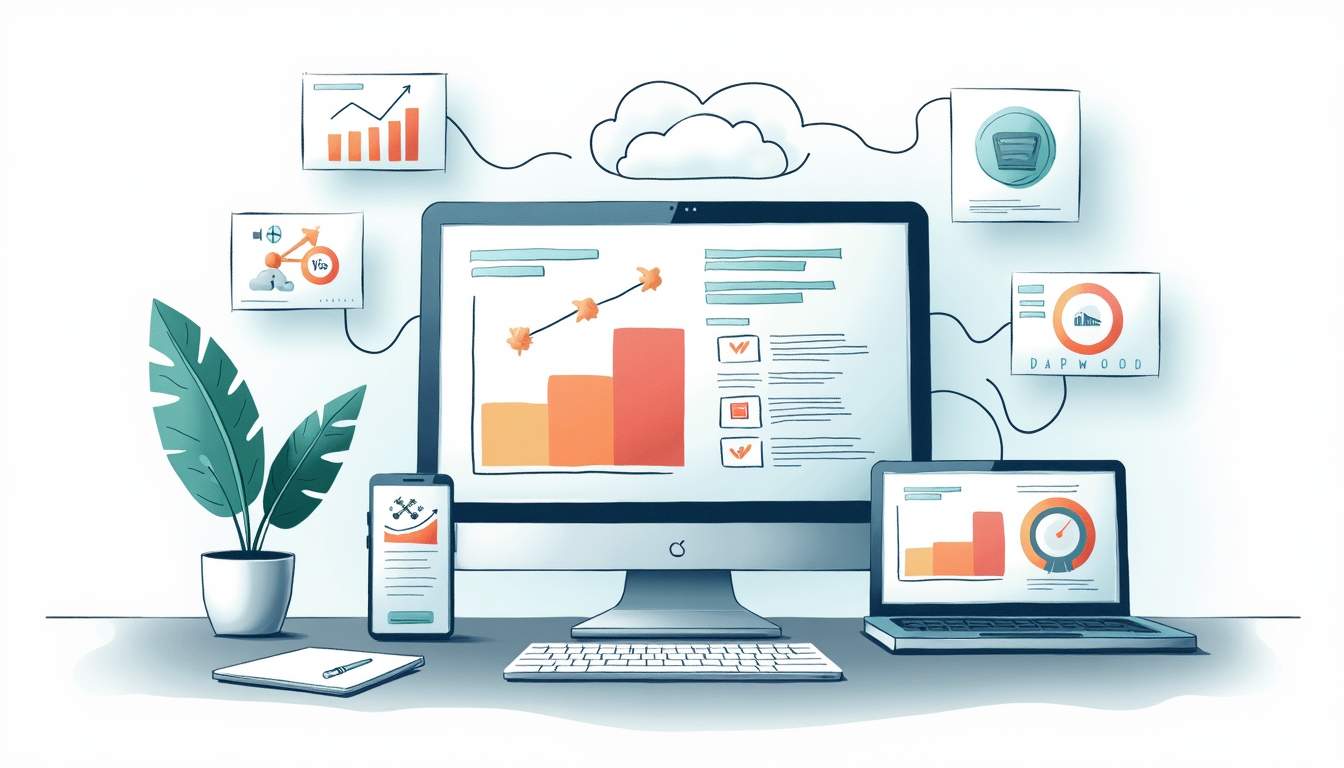
Many platforms and trading applications access this data through Application Programming Interfaces (APIs), which allow seamless integration into proprietary systems. This connectivity ensures that investors receive the freshest data directly within their analytical tools or trading terminals.
Cloud Computing and Data Streaming
The rise of cloud computing has revolutionized how real-time data is processed and distributed. Cloud platforms enable scalable data ingestion, storage, and analytics, allowing investors to handle vast volumes of information without the need for expensive on-premises infrastructure.
Data streaming technologies such as Apache Kafka and WebSockets facilitate the continuous flow of real-time data to end users. These innovations ensure minimal latency and high reliability, which are crucial for time-sensitive investment decisions.
Artificial Intelligence and Machine Learning
Artificial intelligence (AI) and machine learning (ML) algorithms enhance the value of real-time data by identifying patterns, anomalies, and predictive signals that may not be immediately apparent to human analysts. These technologies can process streams of data in real time, generating actionable insights and alerts.
For example, AI-driven sentiment analysis can evaluate news headlines and social media chatter instantly, providing investors with a gauge of market mood. This additional layer of analysis helps investors make more nuanced decisions based on comprehensive, real-time inputs.
Challenges and Considerations When Using Real-Time Data
Data Quality and Reliability
While real-time data offers many advantages, its usefulness depends heavily on accuracy and reliability. Erroneous or incomplete data can mislead investors and result in poor decisions. Ensuring data integrity requires selecting reputable data providers and implementing robust validation processes.
Moreover, the sheer volume of data can sometimes lead to information overload, making it difficult to distinguish signal from noise. Investors must develop effective filtering and prioritization strategies to focus on the most relevant information.
Costs and Infrastructure Requirements
Accessing high-quality real-time data often comes at a premium. Subscription fees for market data feeds, technology investments, and the need for high-speed internet connections can be significant, especially for individual investors or smaller firms.
Additionally, maintaining the infrastructure to process and analyze real-time data requires technical expertise and ongoing support. These factors must be weighed against the potential benefits to ensure a cost-effective approach.
Regulatory and Compliance Issues
Investors must also be mindful of regulatory requirements related to data usage, especially when dealing with sensitive or proprietary information. Compliance with market rules and data licensing agreements is essential to avoid legal complications.
Furthermore, transparency and ethical considerations come into play when using advanced technologies like AI in trading decisions. Responsible use of real-time data ensures fair market practices and protects investor interests.
The Future of Real-Time Data in Investing
Increasing Data Granularity and Speed
As technology advances, the granularity and speed of real-time data are expected to improve even further. Innovations such as 5G connectivity and edge computing will reduce latency and enable more detailed, localized data streams.
This evolution will empower investors with even finer insights into market microstructures and emerging trends, facilitating more precise and timely decisions.
Integration of Alternative Data Sources
Beyond traditional market data, alternative data sources like satellite imagery, credit card transactions, and social media activity are becoming increasingly integrated into investment analysis. Real-time access to such unconventional data can provide unique competitive advantages.
For example, tracking real-time shipping data or consumer foot traffic can offer early signals about company performance that are not yet reflected in financial statements or stock prices.
Greater Democratization of Real-Time Data
Historically, access to real-time data was limited to institutional investors and large trading firms. However, the proliferation of fintech platforms and mobile applications is democratizing this access, enabling retail investors to benefit from timely information like never before.
This trend is likely to continue, fostering a more inclusive investment landscape where informed decision-making is accessible to a broader audience.
Conclusion
Real-time data is a cornerstone of informed investment decisions in today’s dynamic markets. Its ability to provide immediate, accurate, and actionable information empowers investors to respond swiftly to market developments, optimize strategies, and manage risks effectively.
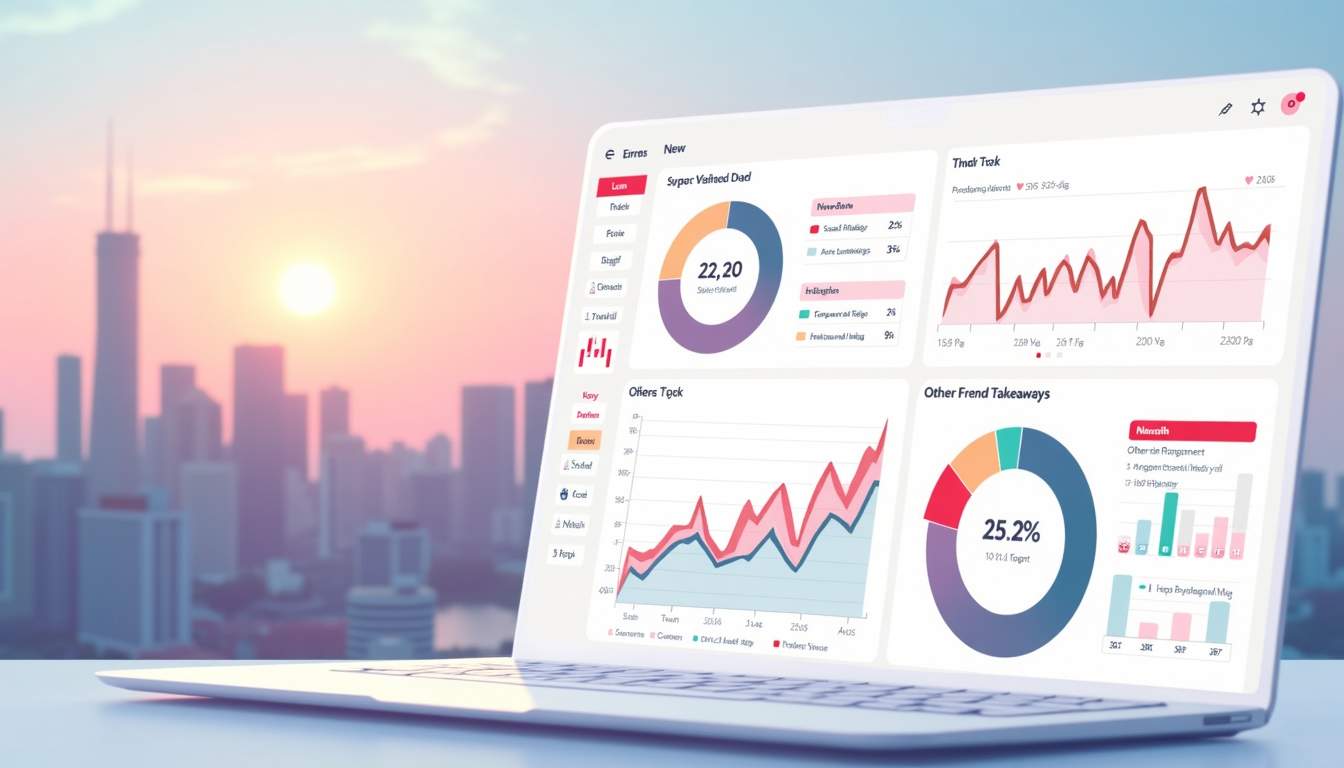
While challenges such as cost, data quality, and regulatory compliance must be carefully managed, the benefits of real-time data far outweigh the drawbacks. As technology continues to evolve, the role of real-time data will only grow in importance, shaping the future of investing and leveling the playing field for all market participants.
Investors who embrace real-time data and the tools that support it position themselves to navigate uncertainty with greater agility and confidence, ultimately enhancing their potential for success in the markets.