In recent years, a fascinating trend has emerged among millennial pet owners: the rise of designer dog streetwear. From tiny hoodies emblazoned with bold logos to custom sneakers crafted for canine paws, this fashion movement is more than just a passing fad. It reflects deeper cultural shifts, lifestyle choices, and the evolving relationship between humans and their pets. But what exactly is driving this surge in popularity? Why are millennials, in particular, so drawn to outfitting their furry friends in stylish, often high-end, streetwear? This article delves into the motivations, influences, and implications behind this unique phenomenon.
The Cultural Context: Pets as Family Members
Millennials have redefined what it means to be a pet owner. Unlike previous generations, where pets were often seen primarily as companions or even functional animals, millennials tend to treat their pets as integral family members. This shift has profound implications for how they interact with and care for their animals. The rise of social media has further amplified this trend, allowing pet owners to share their lives with their furry companions in a way that was previously unimaginable. From Instagram accounts dedicated to pets to TikTok videos showcasing their antics, pets have become social media stars, often with followings that rival those of human influencers.
For many millennials, pets fill emotional roles that go beyond companionship. They are confidants, sources of comfort, and even extensions of personal identity. This emotional bond naturally extends into the desire to express affection and individuality through their pets. Dressing dogs in designer streetwear becomes a way to celebrate this bond and showcase it publicly. Moreover, the trend of pet-friendly spaces, such as cafes and parks, reflects a growing recognition of pets as valued members of society, deserving of their own experiences and social interactions.
From Ownership to Parenthood
One of the most striking aspects of millennial pet culture is the language used to describe pets. Terms like “fur baby” and “pet parent” have become commonplace, signaling a shift from ownership to caretaking and nurturing. This linguistic change reflects a broader societal trend where pet welfare and happiness are prioritized. The rise of pet insurance and wellness products further underscores this commitment, as millennials are increasingly willing to invest in their pets’ health and well-being, treating them with the same level of care they would provide to a child.
Designer dog streetwear fits perfectly into this mindset. Just as parents might carefully select clothes for their children to reflect personality and protect them from the elements, millennial pet parents view stylish dog apparel as a way to care for and express love for their pets. It’s not merely about aesthetics; it’s about comfort, protection, and identity. This trend has also sparked a burgeoning market for eco-friendly and sustainable pet products, as many millennials are conscious of their environmental impact and seek to make responsible choices for their furry family members. As a result, brands that prioritize sustainability are thriving, catering to a generation that values both style and ethical considerations in their purchasing decisions. For premium, stylish, and sustainable pet apparel, visit Supreme Dog Garage to explore their latest designer dog streetwear collection.
Fashion Meets Function: The Appeal of Designer Dog Streetwear
At first glance, dressing dogs in streetwear might seem frivolous or purely aesthetic. However, there’s a practical side to this trend that resonates strongly with millennial pet owners.
Protection and Comfort
Many dog breeds are sensitive to weather conditions, and streetwear often incorporates materials designed to keep pets warm, dry, and comfortable. Designer brands frequently use high-quality fabrics that are breathable, waterproof, or insulated, ensuring that dogs are not only stylish but also well-protected during walks, outdoor adventures, or urban outings.
For city-dwelling millennials, whose pets often accompany them on daily errands or social outings, functional streetwear is a practical necessity. It helps dogs navigate unpredictable weather and urban environments safely and comfortably.
Personal Style and Expression
Designer dog streetwear also serves as a medium for personal and pet expression. Millennials, known for valuing individuality and creativity, often seek ways to stand out and make statements through fashion. Their pets become part of this expression.
Many streetwear brands incorporate bold graphics, unique patterns, and trendy silhouettes that mirror current human fashion trends. By dressing their dogs in these styles, millennial owners align their pets with their own fashion sensibilities, creating a cohesive and eye-catching look.
Social Media Influence and Community Building
One cannot discuss the rise of designer dog streetwear without acknowledging the powerful role of social media. Platforms like Instagram, TikTok, and Pinterest have transformed how pet owners share their lives and connect with others.
The Rise of the Pet Influencer
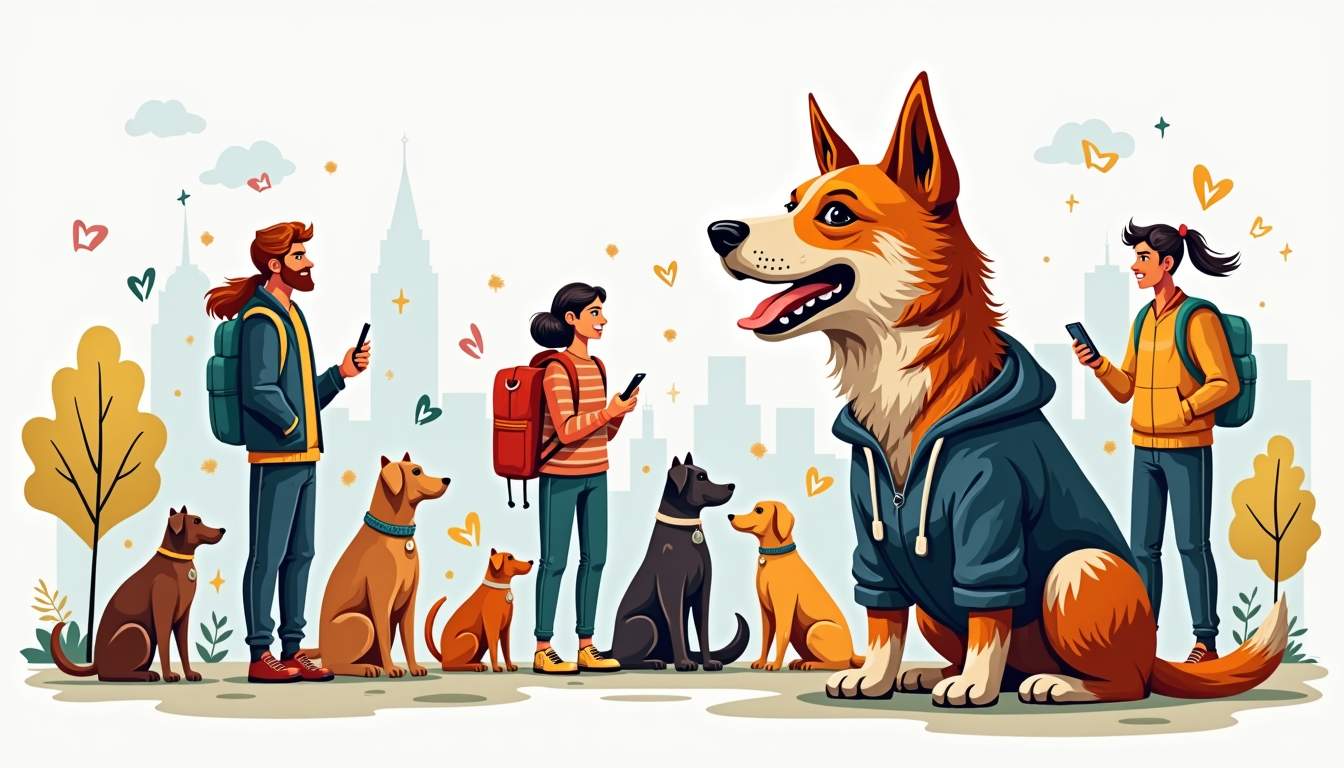
Millennials are digital natives, and many have embraced social media as a tool for self-expression and connection. Pets, especially dogs, have become stars in their own right, with countless accounts dedicated solely to showcasing their daily lives and fashion choices.
Designer dog streetwear provides visually compelling content that resonates with followers. Stylish outfits, often paired with clever captions or themed photo shoots, generate engagement and foster communities of like-minded pet lovers. This social validation encourages more owners to invest in fashionable apparel for their dogs.
Community and Identity
Beyond individual expression, designer dog streetwear helps build community among millennial pet owners. Shared interests in fashion, pets, and lifestyle converge in online groups, forums, and local meetups. These spaces allow owners to exchange tips, showcase their dogs’ outfits, and celebrate their shared values.
In many ways, dog streetwear acts as a cultural marker within these communities, signaling membership and shared identity. Wearing similar brands or styles can create a sense of belonging and pride, reinforcing the bond between owner and pet as well as among peers.
Economic Factors and the Growth of the Pet Fashion Industry
The pet industry has experienced significant growth over the past decade, with millennials driving much of this expansion. Designer dog streetwear is a lucrative niche within this broader market, fueled by changing consumer priorities and spending habits.
Millennials’ Spending Priorities
Contrary to stereotypes about financial conservatism, many millennials are willing to invest heavily in their pets’ well-being and lifestyle. This includes premium food, healthcare, grooming, and, notably, fashion.
Designer dog streetwear appeals to millennials who prioritize quality, sustainability, and ethical production. Many brands emphasize these values, using eco-friendly materials and transparent manufacturing processes, which align with millennial consumer ethics.
Brand Collaborations and Celebrity Influence
The intersection of fashion and pet culture has attracted attention from major brands and celebrities. High-profile collaborations between streetwear labels and pet apparel companies have elevated the status of dog streetwear from niche to mainstream.
Celebrity pet owners showcasing their designer-clad dogs on social media further amplify the trend, creating aspirational appeal. This celebrity influence encourages wider adoption and legitimizes the concept of fashionable dog streetwear.
Psychological and Emotional Drivers Behind the Trend
Beyond cultural and economic factors, psychological motivations play a crucial role in the popularity of designer dog streetwear among millennials.
Expression of Identity and Status
Fashion has long been a tool for expressing identity and social status. For millennials, whose lives are often intertwined with digital personas and social networks, dressing their dogs in designer streetwear extends this expression to their pets.
Owning and showcasing high-quality, stylish dog apparel can signal taste, lifestyle, and values to peers. It becomes a form of social currency, enhancing both the owner’s and the pet’s perceived status.
Emotional Fulfillment and Joy
Engaging in pet fashion can also provide emotional satisfaction. The act of selecting, purchasing, and dressing a dog in stylish clothes can be a joyful ritual that strengthens the emotional bond between owner and pet.
Seeing a dog confidently strut in trendy streetwear can evoke feelings of pride and happiness, reinforcing positive associations and deepening the human-animal connection.
Challenges and Considerations
While designer dog streetwear offers many benefits and appeals, it also raises important questions and challenges.
Animal Comfort and Welfare
Not all dogs enjoy wearing clothes, and some may find certain garments restrictive or uncomfortable. Responsible pet owners must prioritize their pets’ comfort and well-being over fashion trends.
Choosing appropriate sizes, breathable fabrics, and designs that allow natural movement is essential. Awareness and education about pet comfort can help prevent negative experiences associated with streetwear.
Environmental Impact
The fashion industry, including pet fashion, has environmental implications. The production of designer dog streetwear involves resource use, waste, and potential pollution.
Fortunately, many brands are responding by adopting sustainable practices, such as using recycled materials and ethical manufacturing. Millennial consumers’ demand for sustainability is pushing the industry toward greener solutions.
The Future of Designer Dog Streetwear
As millennial pet owners continue to shape cultural trends, designer dog streetwear is poised to evolve and expand.
Innovations in fabric technology, customization options, and integration with wearable tech could redefine what dog streetwear means. Imagine garments that monitor health, adjust temperature, or even change color based on mood or environment.
Moreover, as Gen Z pet owners enter the market, their unique preferences and values will further influence the trajectory of pet fashion, potentially blending streetwear with other styles and ethical considerations.
Conclusion
The embrace of designer dog streetwear by millennial pet owners is a multifaceted phenomenon rooted in cultural shifts, emotional bonds, social media influence, and evolving consumer values. It reflects a broader redefinition of the human-animal relationship, where pets are cherished family members and extensions of personal identity.
While the trend brings joy, community, and practical benefits, it also calls for mindful consideration of animal welfare and environmental impact. As this movement continues to grow, it offers a fascinating glimpse into how fashion, technology, and pet culture intersect in the modern world.
Ultimately, designer dog streetwear is more than just clothing—it’s a vibrant expression of love, identity, and connection in the lives of millennial pet parents.