Air conditioning units are essential for maintaining comfort in homes and workplaces, especially during hot seasons. However, like any mechanical system, they require regular maintenance to function efficiently and prolong their lifespan. Two common types of aircon servicing are standard servicing and chemical servicing. Understanding the differences between these can help you decide which service best suits your needs and ensures your air conditioner operates at its peak performance.
Understanding Aircon Servicing: Why It Matters
Regular servicing of air conditioning units is crucial for several reasons. Over time, dust, dirt, and other contaminants accumulate inside the system, causing it to work harder and less efficiently. This can lead to higher energy bills, reduced cooling performance, and even breakdowns. Servicing helps identify potential issues early, prevents costly repairs, and maintains indoor air quality.
Both standard and chemical servicing aim to clean and maintain the aircon unit, but they differ significantly in scope, techniques, and outcomes. Knowing what each type involves can help you make an informed choice based on your aircon’s condition and your budget.
Standard servicing typically includes tasks such as cleaning or replacing filters, checking the refrigerant levels, and inspecting the overall functionality of the unit. This routine maintenance is essential for ensuring that the air conditioning system operates smoothly and efficiently. On the other hand, chemical servicing goes a step further by using specialized cleaning agents to remove stubborn dirt and grime from the evaporator and condenser coils. This deep cleaning process can significantly enhance the unit’s efficiency and lifespan, making it a worthwhile investment for those with older or heavily used systems.
Moreover, regular aircon servicing can have a positive impact on your health. A well-maintained unit helps to eliminate allergens and pollutants from the air, creating a healthier indoor environment. This is especially important for individuals with respiratory issues or allergies. By ensuring that your air conditioning system is running optimally, you not only enhance comfort but also contribute to the overall well-being of your household. Additionally, many manufacturers recommend regular servicing to keep warranties valid, so staying on top of maintenance can also protect your investment in the long run. For reliable servicing and repairs, you can visit here to connect with SoCool, a leading air conditioning cleaning & AC repair service company.
What Is Standard Aircon Servicing?
Overview of Standard Servicing
Standard aircon servicing is the routine maintenance most air conditioning units require. It typically involves a thorough inspection, cleaning of accessible parts, and basic performance checks. This service is designed to keep the unit running smoothly and catch minor issues before they escalate.
Key Components of Standard Servicing
During standard servicing, technicians usually perform the following tasks:
- Filter Cleaning or Replacement: Air filters trap dust and debris. Over time, they become clogged, restricting airflow. Cleaning or replacing filters ensures proper air circulation and improves indoor air quality.
- Coil Cleaning: Both the evaporator and condenser coils can accumulate dirt and grime. Cleaning these coils helps maintain efficient heat exchange, which is vital for cooling performance.
- Checking Refrigerant Levels: The refrigerant is the substance that absorbs heat from inside the room. Technicians check for leaks and ensure the refrigerant level is adequate for optimal cooling.
- Inspecting Electrical Components: Loose connections or worn-out parts can cause malfunctions. A thorough electrical inspection helps prevent unexpected breakdowns.
- Drainage System Cleaning: The condensate drain removes moisture from the air. Blockages can cause water leaks and damage. Clearing the drain ensures proper drainage.
- General System Testing: After cleaning and inspection, the technician runs the unit to check for unusual noises, vibrations, or performance issues.
Standard servicing usually takes about one to two hours, depending on the unit’s size and condition. It is recommended at least once a year, ideally before the cooling season begins.
Benefits of Standard Servicing
Standard servicing is effective for routine upkeep and minor cleaning. It helps maintain energy efficiency, reduces the risk of breakdowns, and improves air quality. For units that have been regularly maintained, this service is often sufficient to keep them in good working order.
What Is Chemical Aircon Servicing?
Introduction to Chemical Servicing
Chemical aircon servicing is a more intensive cleaning process that involves using specialized chemicals to remove stubborn dirt, mold, bacteria, and other contaminants from the air conditioning system. This type of servicing is usually recommended when the unit has not been maintained regularly, or when there are signs of severe contamination, such as foul odors or reduced cooling efficiency.
Key Procedures in Chemical Servicing
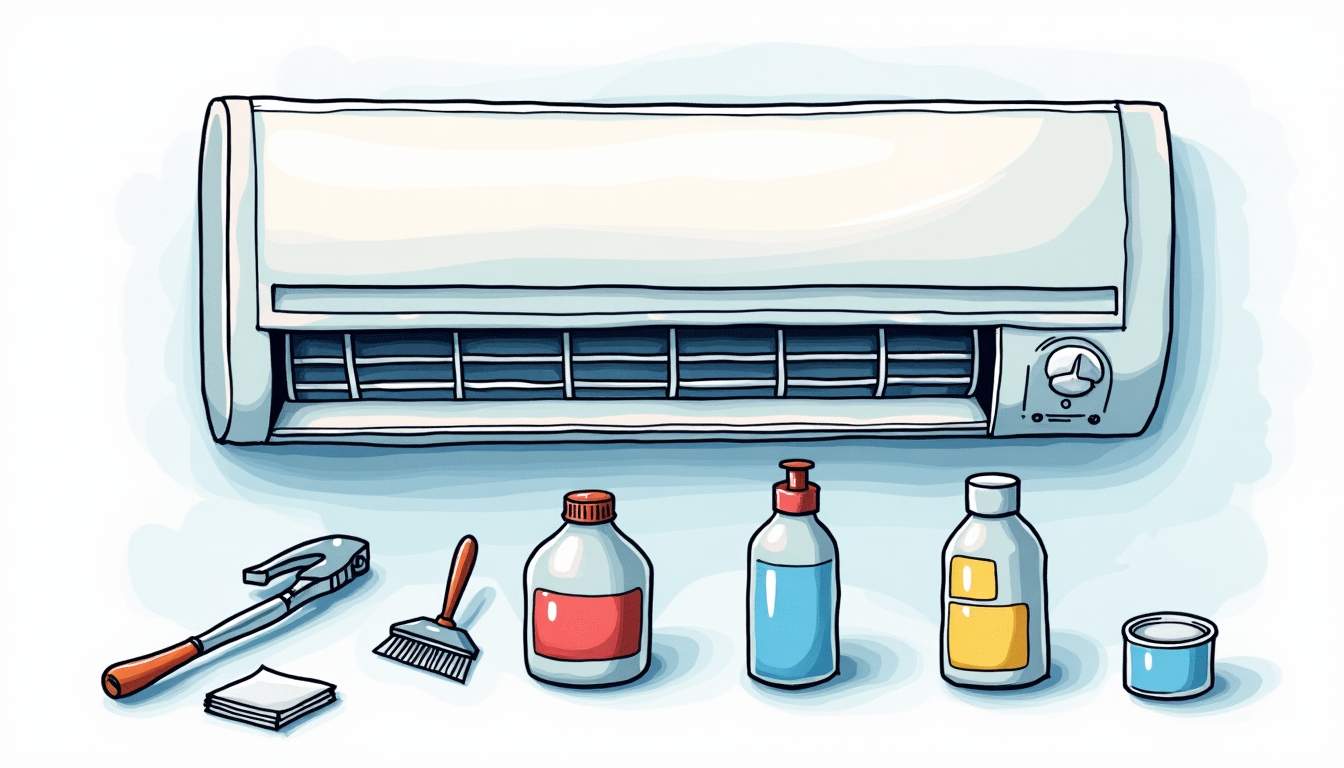
Chemical servicing goes beyond the surface cleaning done in standard servicing. It typically includes:
- Deep Coil Cleaning with Chemicals: Technicians apply chemical solutions to the evaporator and condenser coils to dissolve and remove built-up grime, grease, and biological contaminants.
- Disinfection of Internal Components: The use of antimicrobial agents helps eliminate mold, bacteria, and fungi that can accumulate inside the unit, improving air quality and reducing health risks.
- Cleaning of Drain Pans and Pipes: Chemicals help clear biofilm and blockages that standard servicing might not fully address.
- Flushing the System: Some chemical services include flushing the system to remove residues and ensure the chemicals are fully rinsed out.
- Filter Treatment or Replacement: Filters may be treated with antimicrobial sprays or replaced if heavily contaminated.
Because chemical servicing involves handling potent cleaning agents, it requires skilled technicians who follow safety protocols to protect both the equipment and occupants.
When Is Chemical Servicing Necessary?
Chemical servicing is not always required for every air conditioning unit. It is most beneficial in the following situations:
- Units with Persistent Odors: A musty or moldy smell often indicates microbial growth inside the system.
- Long Periods Without Maintenance: Aircons that have been neglected for years may accumulate heavy dirt and biological contaminants.
- Health Concerns: For individuals with allergies or respiratory issues, chemical servicing can help improve indoor air quality.
- Visible Mold or Mildew: If mold is visible on coils or other parts, chemical cleaning is necessary to eradicate it.
- Reduced Cooling Efficiency: When standard servicing fails to restore performance, chemical cleaning may be the solution.
Benefits of Chemical Servicing
Chemical servicing offers a thorough cleaning that can restore an aircon unit’s efficiency and extend its lifespan. It effectively removes contaminants that standard servicing might miss, leading to better air quality and reduced health risks. Additionally, it can prevent costly repairs by addressing underlying issues caused by dirt and microbial growth.
Comparing Standard and Chemical Aircon Servicing
Scope and Depth of Cleaning
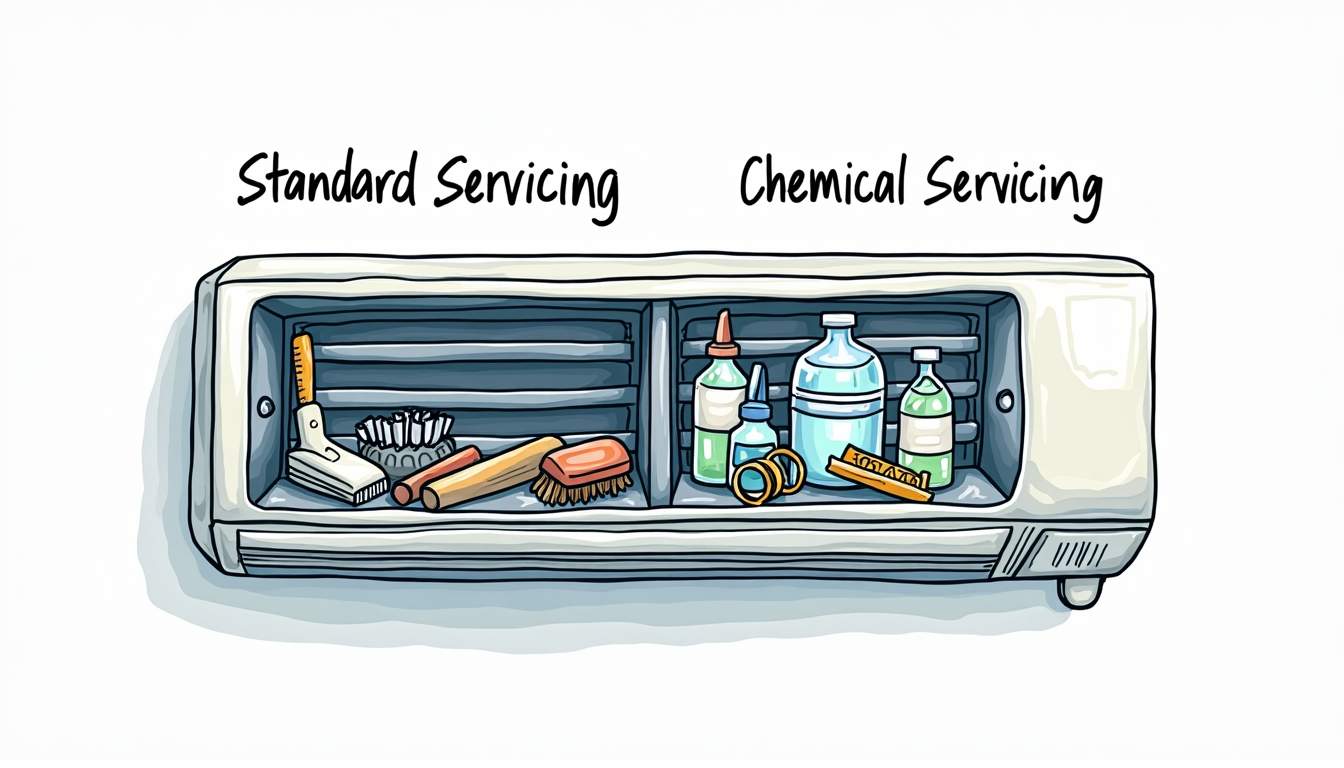
Standard servicing focuses on routine maintenance and light cleaning, suitable for units that receive regular care. Chemical servicing provides a deep clean that targets stubborn dirt and biological contaminants, ideal for neglected or heavily contaminated units.
Time and Cost Considerations
Standard servicing is generally quicker and more affordable, often completed within a couple of hours. Chemical servicing takes longer due to the detailed cleaning process and the use of chemicals, which also increases the cost. However, the investment in chemical servicing can save money in the long run by preventing major repairs and improving energy efficiency.
Health and Safety Implications
While standard servicing improves air quality by cleaning filters and coils, chemical servicing goes further by disinfecting the system and eliminating mold and bacteria. This is particularly important for households with allergy sufferers or individuals with respiratory conditions. However, chemical servicing requires proper handling of cleaning agents to avoid damage or health hazards.
Frequency of Servicing
Standard servicing is recommended annually for most air conditioning units. Chemical servicing, on the other hand, is usually performed less frequently, only when necessary based on the unit’s condition or specific issues.
How to Choose Between Standard and Chemical Aircon Servicing
Assessing Your Aircon’s Condition
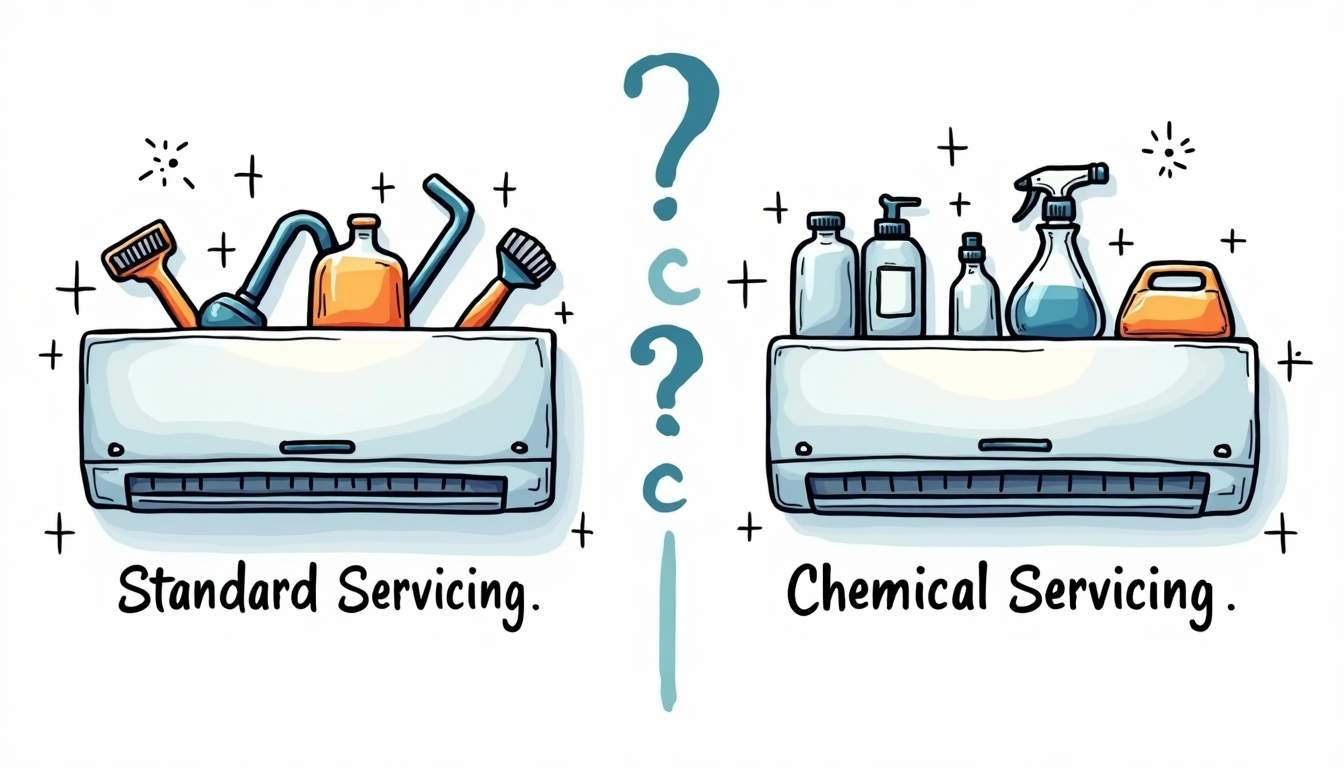
Begin by evaluating how well your air conditioner is performing. If it cools effectively, smells fresh, and has been regularly maintained, standard servicing will likely suffice. However, if you notice unpleasant odors, reduced cooling, or visible mold, chemical servicing may be needed.
Consider Your Health Needs
For those with allergies, asthma, or other respiratory issues, investing in chemical servicing can improve indoor air quality significantly. Removing mold and bacteria from the system helps create a healthier living environment.
Budget and Maintenance Plans
Standard servicing is more budget-friendly and suitable for routine upkeep. If your aircon is older or has been neglected, chemical servicing may be a worthwhile investment despite the higher cost. Some service providers offer maintenance plans that include both types of servicing at scheduled intervals, which can help manage costs and ensure optimal performance.
Consulting Professionals
It’s always a good idea to consult with qualified aircon technicians who can assess your unit and recommend the most appropriate servicing. They can identify issues that may not be obvious to the untrained eye and advise on the best course of action.
Tips for Maintaining Your Aircon Between Servicing
Proper care between professional servicing can extend the life of your air conditioner and keep it running efficiently. Here are some practical tips:
- Regularly Clean or Replace Filters: Check filters monthly and clean or replace them as needed to maintain airflow and air quality.
- Keep Outdoor Units Clear: Remove debris, leaves, and dirt from around the outdoor condenser unit to ensure proper ventilation.
- Use the Aircon Wisely: Avoid setting the temperature too low, and use energy-saving settings when possible to reduce strain on the system.
- Check for Leaks: Listen for unusual sounds or check for water leaks that may indicate issues needing professional attention.
- Schedule Regular Servicing: Don’t skip annual maintenance appointments to catch problems early and maintain efficiency.
Conclusion
Choosing between standard and chemical aircon servicing depends on the condition of your unit, your health needs, and your budget. Standard servicing is ideal for routine maintenance, ensuring your air conditioner runs efficiently and reliably. Chemical servicing provides a deeper clean, tackling stubborn dirt and microbial growth that can compromise performance and air quality.
Regular maintenance, combined with proper care between servicing, will help keep your air conditioning system in top shape. Consulting with professional technicians can guide you to the best servicing option, ensuring comfort and health in your living or working environment.