Lighting plays a crucial role in shaping the ambiance, functionality, and safety of any space. Whether illuminating the cozy corners of a living room or brightening up a backyard patio, choosing the right lighting solution requires understanding the distinct needs of indoor and outdoor environments. This article explores the differences between indoor and outdoor lighting, the factors to consider when installing each, and tips to tailor your lighting choices to perfectly suit your space.
Understanding the Basics: Indoor Lighting
Indoor lighting is designed to enhance the atmosphere inside a home or building while providing sufficient illumination for daily activities. It encompasses a wide variety of fixtures, from ceiling-mounted lights and chandeliers to task lamps and accent lighting. The goal is to create a balance between functionality and aesthetics, ensuring spaces are both practical and inviting.
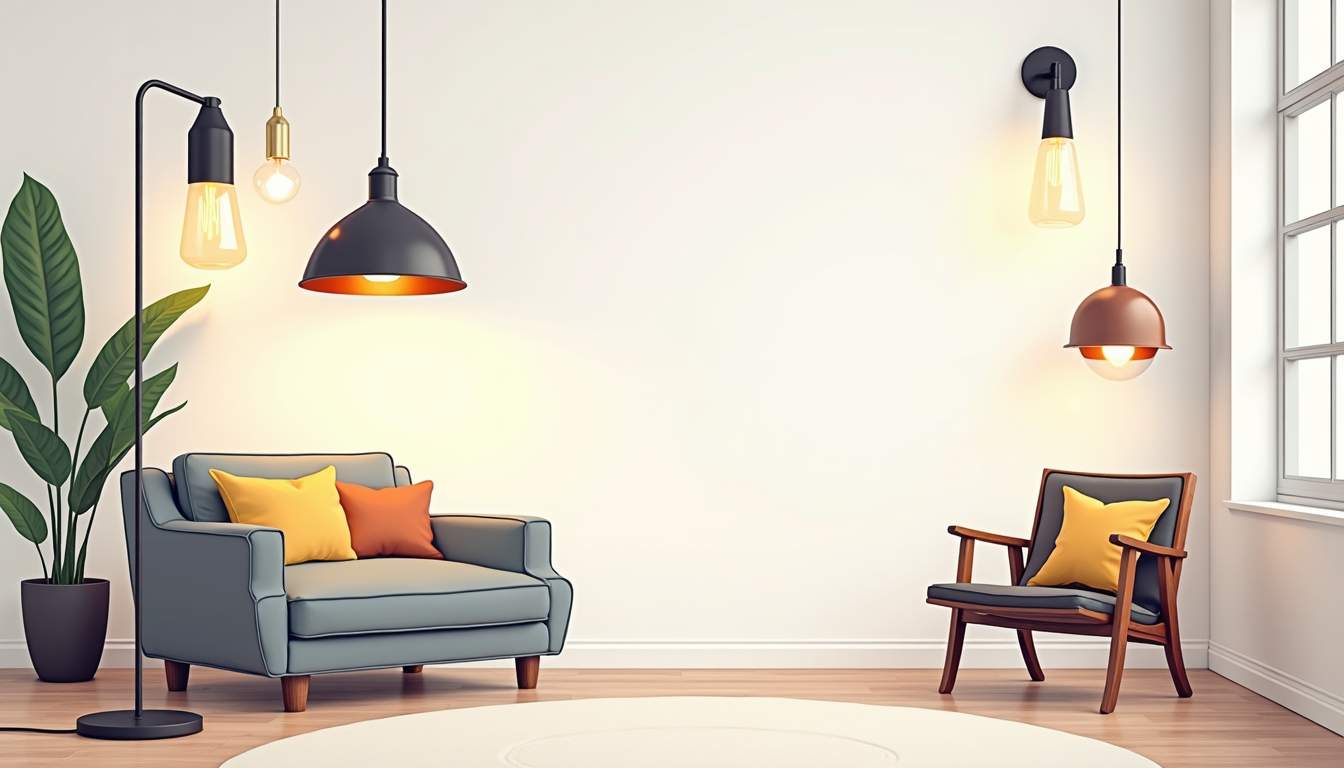
One of the key considerations for indoor lighting is the type of light source. Warm, soft lighting tends to create a cozy and relaxing environment, ideal for living rooms and bedrooms. Cooler, brighter lights are often preferred in kitchens and workspaces where clarity and focus are essential. Additionally, indoor lighting often incorporates dimmers and smart controls to adjust brightness and mood throughout the day.
Types of Indoor Lighting
Indoor lighting can be categorized into three main types: ambient, task, and accent lighting. Ambient lighting provides overall illumination and sets the general tone for a room. Task lighting focuses on specific activities such as reading or cooking, offering brighter and more direct light. Accent lighting highlights particular features like artwork, architectural details, or decorative objects, adding depth and interest to the space.
Choosing the right combination of these lighting types helps create a layered effect that enhances both the functionality and style of your interior. For example, a well-lit kitchen might combine recessed ceiling lights (ambient) with under-cabinet lights (task) and pendant lamps over an island (accent). To learn more about achieving the perfect lighting setup, you can visit Electrician Singapore for professional guidance and services.
Exploring Outdoor Lighting: Function Meets Durability
Outdoor lighting serves a different set of purposes compared to indoor lighting. It is primarily focused on safety, security, and enhancing the exterior aesthetics of a home or property. Because outdoor environments are exposed to weather conditions, lighting fixtures must be durable, weather-resistant, and often require specialized installation techniques.
Outdoor lighting can transform a garden, pathway, or patio into a welcoming space after dark. It also plays a vital role in deterring intruders and preventing accidents by illuminating walkways, stairs, and entry points. Beyond functionality, outdoor lights can accentuate landscaping features, architectural details, and create a magical ambiance for evening gatherings.
Common Types of Outdoor Lighting
There are several types of outdoor lighting to consider, each serving unique purposes. Path lights guide visitors safely along walkways, while floodlights provide broad illumination for security. Spotlights can highlight trees or sculptures, and string lights add charm and festivity to patios or decks.
Solar-powered lights have gained popularity for their energy efficiency and ease of installation, though wired options generally offer more consistent brightness and reliability. When selecting outdoor fixtures, it’s essential to check their IP rating, which indicates the level of protection against dust and water ingress. A higher IP rating ensures better durability in harsh weather conditions.
Key Differences Between Indoor and Outdoor Lighting Installations
While both indoor and outdoor lighting share the common goal of illumination, their installation requirements differ significantly due to environmental factors and intended use.
Environmental Exposure and Fixture Durability
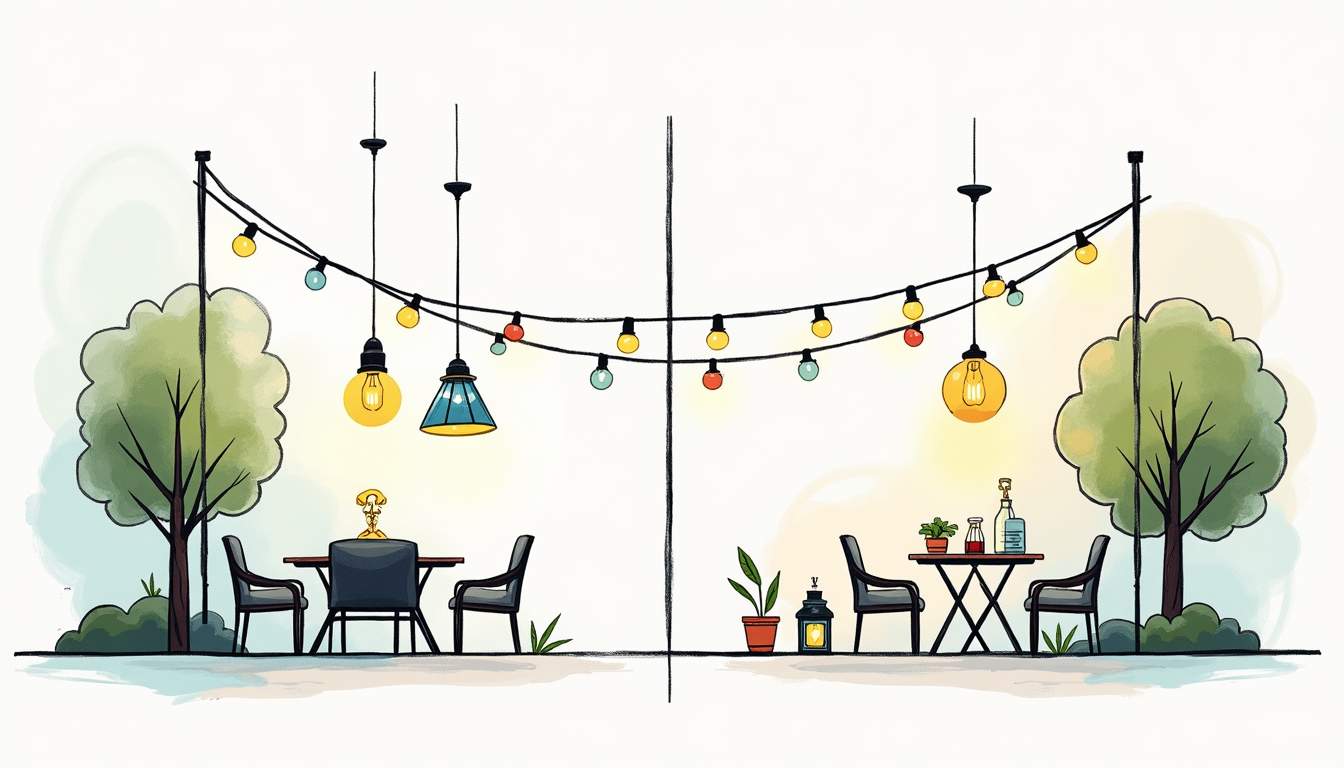
Indoor lighting fixtures are typically protected from moisture, dust, and extreme temperatures, allowing for a wider variety of delicate and decorative options. In contrast, outdoor fixtures must withstand rain, snow, wind, and temperature fluctuations. As a result, outdoor lighting often features sealed housings, corrosion-resistant materials, and robust construction to ensure longevity.
Electrical Safety and Wiring Considerations
Electrical safety is paramount in both indoor and outdoor lighting installations, but outdoor setups demand extra precautions. Outdoor wiring must be rated for wet or damp locations, and connections should be enclosed in weatherproof boxes. Ground fault circuit interrupters (GFCIs) are typically required to prevent electrical shocks in outdoor environments.
Indoor wiring is generally simpler, with access to existing electrical circuits and protection from environmental hazards. However, both installations should comply with local electrical codes and regulations to ensure safety and reliability.
Lighting Control and Automation
Indoor lighting often integrates with smart home systems, allowing users to control brightness, color temperature, and schedules via apps or voice commands. Outdoor lighting can also benefit from automation, such as motion sensors, timers, and dusk-to-dawn controls, which enhance security and energy efficiency.
Choosing the right control systems depends on the specific needs of the space. For example, motion-activated floodlights can deter unwanted visitors, while programmable garden lights can create a consistent ambiance for evening entertaining.
Tailoring Your Lighting Installation to Your Needs
When planning a lighting installation, it’s essential to consider the unique requirements of your space, lifestyle, and aesthetic preferences. Here are some tips to help tailor your lighting choices effectively.
Assess Your Space and Purpose
Begin by evaluating the areas you want to light and their primary functions. For indoor spaces, think about how you use each room and what kind of lighting atmosphere you desire. For outdoor areas, identify key zones such as entryways, pathways, seating areas, and landscaping features that require illumination.
Consider factors like natural light availability, room size, and existing décor. This assessment will guide you in selecting the appropriate lighting types, fixture styles, and brightness levels.
Choose Fixtures That Complement Your Style
Lighting fixtures are not only functional but also contribute to the overall design of your space. Indoor fixtures come in countless styles, from modern minimalism to vintage charm, allowing you to express your personality. Outdoor fixtures should harmonize with your home’s exterior architecture and landscape design.
For example, sleek, contemporary sconces might suit a modern home, while lantern-style lights can enhance a rustic or traditional façade. Matching fixture finishes and materials across indoor and outdoor areas can create a cohesive look.
Prioritize Energy Efficiency and Sustainability
Energy-efficient lighting options, such as LED bulbs, are ideal for both indoor and outdoor use. They consume less power, last longer, and reduce maintenance costs. Solar-powered outdoor lights offer an eco-friendly alternative by harnessing sunlight, though they may not be suitable for all locations or lighting needs.
Incorporating dimmers, timers, and smart controls can further optimize energy usage by ensuring lights are only on when needed. This approach benefits your wallet and the environment.
Plan for Professional Installation When Needed
While some lighting installations can be DIY projects, especially for simple indoor fixtures or solar outdoor lights, complex setups often require professional expertise. This is particularly true for outdoor lighting involving electrical wiring, landscape integration, or smart home connectivity.
Hiring a qualified electrician or lighting specialist ensures that installations meet safety standards, function correctly, and achieve the desired aesthetic effect. Professionals can also provide valuable advice on fixture placement, wiring routes, and control options tailored to your property.
Enhancing Ambiance and Functionality with Layered Lighting
One of the most effective ways to optimize both indoor and outdoor lighting is through layering. This technique involves combining different types of lighting to create depth, flexibility, and visual interest.
Indoor Layering Techniques
Layering indoor lighting starts with ambient light to provide general illumination. Task lighting is then added in areas where specific activities occur, such as reading lamps by a sofa or pendant lights over a kitchen island. Finally, accent lighting highlights architectural features, artwork, or decorative elements.
Using dimmers and adjustable fixtures allows you to modify the lighting scheme according to the time of day or mood. This versatility enhances comfort and usability, making your home more inviting and practical.
Outdoor Layering Strategies
Outdoor lighting layering involves combining functional and decorative elements. Path lights and floodlights ensure safety and security, while spotlights and uplights accentuate trees, sculptures, or façade details. String lights or lanterns add warmth and charm to social spaces like patios or decks.
Strategically layering outdoor lights not only improves visibility but also creates an enchanting atmosphere that extends your living space into the evening hours.
Common Challenges and How to Overcome Them
Lighting installations, whether indoor or outdoor, can present challenges. Understanding common issues and how to address them helps ensure successful outcomes.
Glare and Over-illumination
Excessive brightness or poorly positioned lights can cause glare, discomfort, and reduced visibility. To avoid this, choose fixtures with diffusers or shades, and position lights to minimize direct eye exposure. Using dimmers and adjustable fixtures allows fine-tuning of light levels.
Uneven Lighting and Shadows
Improper placement can result in dark spots or harsh shadows that detract from the overall effect. Layering multiple light sources and testing different angles during installation helps create even illumination. Reflective surfaces and light-colored walls can also enhance light distribution indoors.
Weather and Maintenance Concerns for Outdoor Lighting
Outdoor fixtures are exposed to dirt, moisture, and temperature changes, which can affect performance and lifespan. Selecting high-quality, weather-resistant fixtures and regularly cleaning and inspecting them prolongs their durability. Replacing bulbs and batteries promptly keeps the system functioning smoothly.
Conclusion
Choosing between indoor and outdoor lighting—or deciding how to integrate both—requires thoughtful consideration of the environment, purpose, and style. Indoor lighting focuses on comfort, aesthetics, and task efficiency, while outdoor lighting emphasizes durability, safety, and ambiance.
By understanding the unique demands of each setting and tailoring your installation accordingly, you can create well-lit spaces that enhance your home’s beauty, functionality, and security. Whether upgrading a single room or illuminating your entire property, informed lighting choices make all the difference in crafting an inviting and practical environment.