Choosing the perfect paint color is often the focus when redecorating a room, but the finish of the paint is just as crucial. The finish affects not only the look and feel of your walls but also their durability and ease of maintenance. With so many options available—from matte to high gloss—understanding the characteristics of each paint finish can help you make an informed decision that suits the specific needs of every room in your home.
This guide will walk you through the most common paint finishes, their best uses, and expert tips on how to select the right one for each space.
Understanding Paint Finishes: What Are the Options?
Paint finishes refer to the level of sheen or gloss in the paint. This sheen affects how much light the surface reflects, which in turn influences the room’s ambiance and the wall’s durability. Here are the primary paint finishes you’ll encounter:
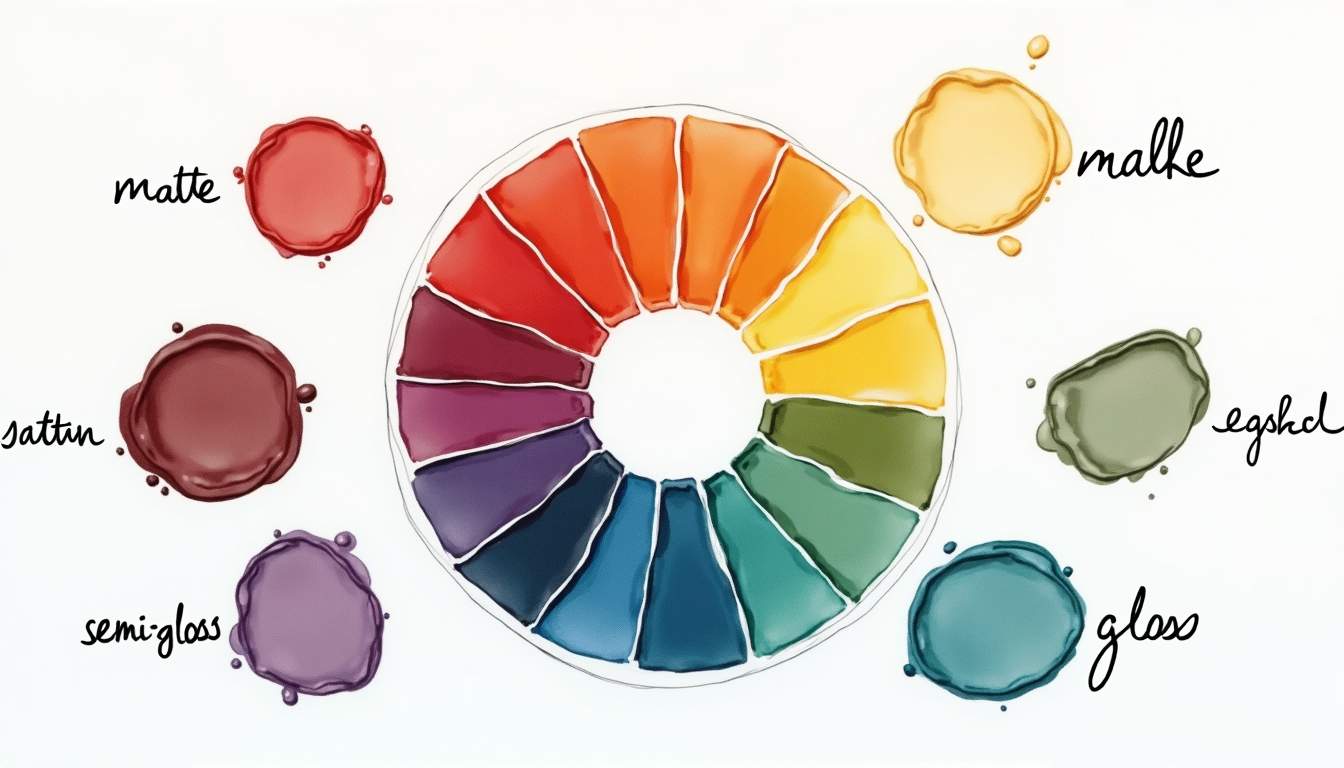
- Flat/Matte
- Eggshell
- Satin
- Semi-gloss
- Gloss/High gloss
Each finish has unique qualities, so understanding them can help you decide which one fits your needs best.
Flat/Matte Finish
Flat or matte paint has no shine and offers a smooth, velvety appearance. It is excellent at hiding imperfections on walls because it doesn’t reflect light. This finish is often used in low-traffic areas or on ceilings.
However, flat paint is less durable and harder to clean. It tends to absorb stains and marks, which can be challenging to remove without damaging the paint. For those looking to achieve a cozy and intimate atmosphere, flat finishes are ideal, especially in bedrooms or quiet reading nooks, where the soft appearance can create a serene environment. To learn more, you can visit Painting Service Singapore website for expert advice and professional assistance.
Eggshell Finish
Eggshell finish has a slight sheen, reminiscent of an eggshell’s surface. It strikes a balance between flat and satin finishes, providing a soft glow that adds warmth to a room.
Eggshell is more washable than flat paint, making it suitable for moderate-traffic areas like living rooms and dining rooms. It’s also good at hiding minor imperfections. This finish can be particularly effective in spaces where you want to encourage conversation and relaxation, as its subtle sheen helps to reflect just enough light to create an inviting ambiance without being overpowering.
Satin Finish
Satin paint has a smooth, velvety sheen that reflects more light than eggshell. It’s durable, easy to clean, and resistant to moisture, making it a versatile choice for many rooms.
Because of its durability, satin is often used in high-traffic areas such as hallways, family rooms, and children’s bedrooms. Additionally, satin finishes can enhance the color depth of the paint, making hues appear richer and more vibrant. This quality makes satin a popular choice for accent walls, where the interplay of light can create a dynamic focal point in your home.
Semi-Gloss Finish
Semi-gloss paint has a noticeable shine and reflects a significant amount of light. It’s highly durable and moisture-resistant, making it ideal for rooms that require frequent cleaning.
This finish is commonly used in kitchens, bathrooms, and trim work because it can withstand scrubbing and resists mildew. The reflective quality of semi-gloss paint can also help to brighten up darker spaces, making it a smart choice for smaller rooms or areas with limited natural light. Furthermore, when used on moldings or cabinetry, semi-gloss can add an elegant touch that elevates the overall design of your space.
Gloss/High Gloss Finish
Gloss or high gloss paint offers the most shine and durability. It creates a sleek, polished look that highlights architectural details like moldings and doors.
While it’s easy to clean, high gloss paint can highlight surface imperfections, so preparation is key before application. It’s best reserved for accent areas rather than entire walls. High gloss finishes are particularly effective in contemporary or modern design schemes, where the reflective quality can enhance the overall aesthetic by creating a sense of sophistication and luxury. Additionally, when used strategically, high gloss can draw attention to specific features in a room, such as artwork or decorative elements, making them stand out even more.
Choosing the Right Finish for Each Room
Every room in your home has unique requirements based on its function, traffic level, and environmental factors like humidity. Selecting the right paint finish can enhance the room’s appearance and longevity.

Living Room and Dining Room
These rooms are often the heart of the home, where guests are entertained and families gather. Walls here should look inviting but also stand up to occasional scuffs or marks.
Eggshell and satin finishes are excellent choices for living and dining rooms. Eggshell provides a warm, subtle sheen that adds depth without being too shiny, while satin offers a bit more durability for homes with children or pets.
Flat finishes can be used if the walls are in pristine condition and the room has low traffic, but be aware that touch-ups may be more noticeable. Additionally, consider the color palette carefully; lighter shades can make the space feel larger and airier, while deeper hues can create a cozy, intimate atmosphere. Incorporating accent walls with bold colors can also enhance the overall aesthetic and serve as a conversation starter.
Kitchen
Kitchens are high-traffic, high-moisture areas that require durable, easy-to-clean surfaces. Paint finishes that resist stains and mildew are essential here.
Semi-gloss is the most popular choice for kitchen walls and trim. Its moisture resistance and washability make it perfect for dealing with cooking splatters and humidity.
For cabinets and doors, high gloss paint can add a modern, polished look while providing excellent durability. Additionally, consider using a color that complements your countertops and appliances to create a cohesive design. Open shelving can be enhanced with a pop of color on the back wall, making your kitchen not only functional but also visually appealing.
Bathroom
Bathrooms present similar challenges to kitchens with high humidity and frequent cleaning needs. Mold and mildew resistance is a priority.
Semi-gloss or satin finishes work best in bathrooms. Satin offers a softer sheen while still being moisture-resistant, whereas semi-gloss provides extra durability and easier cleaning.
Using a paint specifically formulated for bathrooms can further protect against mold and mildew growth. Additionally, consider the lighting in your bathroom; a well-lit space can benefit from lighter colors that reflect light, making the area feel more spacious. Decorative elements like framed mirrors or stylish light fixtures can also enhance the overall look, making the bathroom a serene retreat.
Bedrooms
Bedrooms are spaces for relaxation, so the ambiance created by the paint finish is important. Matte and eggshell finishes are popular choices here because they create a calm, cozy atmosphere.
Eggshell offers a slight sheen that adds warmth without being distracting, while matte finishes can create a soft, restful environment.
If the bedroom is used by children, satin paint may be a better option for its durability and ease of cleaning. Consider incorporating soothing colors like soft blues or greens that promote tranquility, or perhaps a feature wall with a fun pattern or mural to inspire creativity in a child’s room. Layering textures with bedding and curtains can also complement the paint finish, enhancing the overall comfort of the space.
Hallways and Entryways
These areas experience heavy foot traffic and are prone to scuffs and marks. Durability and washability are key considerations.
Satin or semi-gloss finishes are ideal for hallways and entryways. They can handle frequent cleaning and resist wear better than flat or eggshell finishes. To make these transitional spaces more inviting, consider using a lighter color to brighten the area or adding artwork and family photos to create a personal touch. A well-placed runner or mat can also help protect the flooring while adding an element of style.
Trim, Doors, and Cabinets
Trim, doors, and cabinets benefit from paint finishes that highlight their details and provide durability.
High gloss or semi-gloss finishes are typically used here because they offer a crisp, clean look and stand up well to frequent handling and cleaning.
These finishes also make it easier to wipe off fingerprints and smudges. When selecting colors for trim and cabinetry, consider contrasting shades to make architectural details pop, or opt for a monochromatic scheme for a more streamlined look. Additionally, experimenting with different textures, such as a matte finish on the walls paired with glossy trim, can create a visually interesting dynamic that elevates the overall design of your home.
Expert Tips for Selecting and Applying Paint Finishes
Consider Lighting and Room Size
Paint finish can affect how light interacts with your walls. Glossy finishes reflect more light, which can make small rooms feel larger and brighter. Conversely, matte finishes absorb light, creating a cozy, intimate feel.
In rooms with uneven walls or imperfections, flatter finishes can help hide flaws, while glossy paints may highlight them.
Test Samples Before Committing
Always test paint samples on your walls before making a final decision. Observe how the finish looks at different times of day and under various lighting conditions.
Applying a small patch of each finish can help you see how the sheen changes the color and texture of your walls.
Prepare Surfaces Properly
Surface preparation is crucial, especially when using glossier finishes. Sanding and priming can help create a smooth base that enhances the paint’s appearance and durability.
For high gloss and semi-gloss paints, any imperfections will be more visible, so take extra care in preparation.
Balance Aesthetics and Practicality
While a particular finish may look stunning, it’s important to balance aesthetics with the practical needs of the room. For example, a high gloss finish in a child’s bedroom might look great but could show fingerprints and scratches easily.
Choosing a finish that complements the room’s function will save time and money in maintenance and repainting.
Conclusion: Making the Right Choice for Your Home
Choosing the right paint finish is more than just a matter of style—it’s about selecting a finish that suits the room’s use, lighting, and traffic. Matte and eggshell finishes create warm, inviting spaces ideal for bedrooms and living rooms, while satin and semi-gloss provide the durability needed in kitchens, bathrooms, and high-traffic areas.
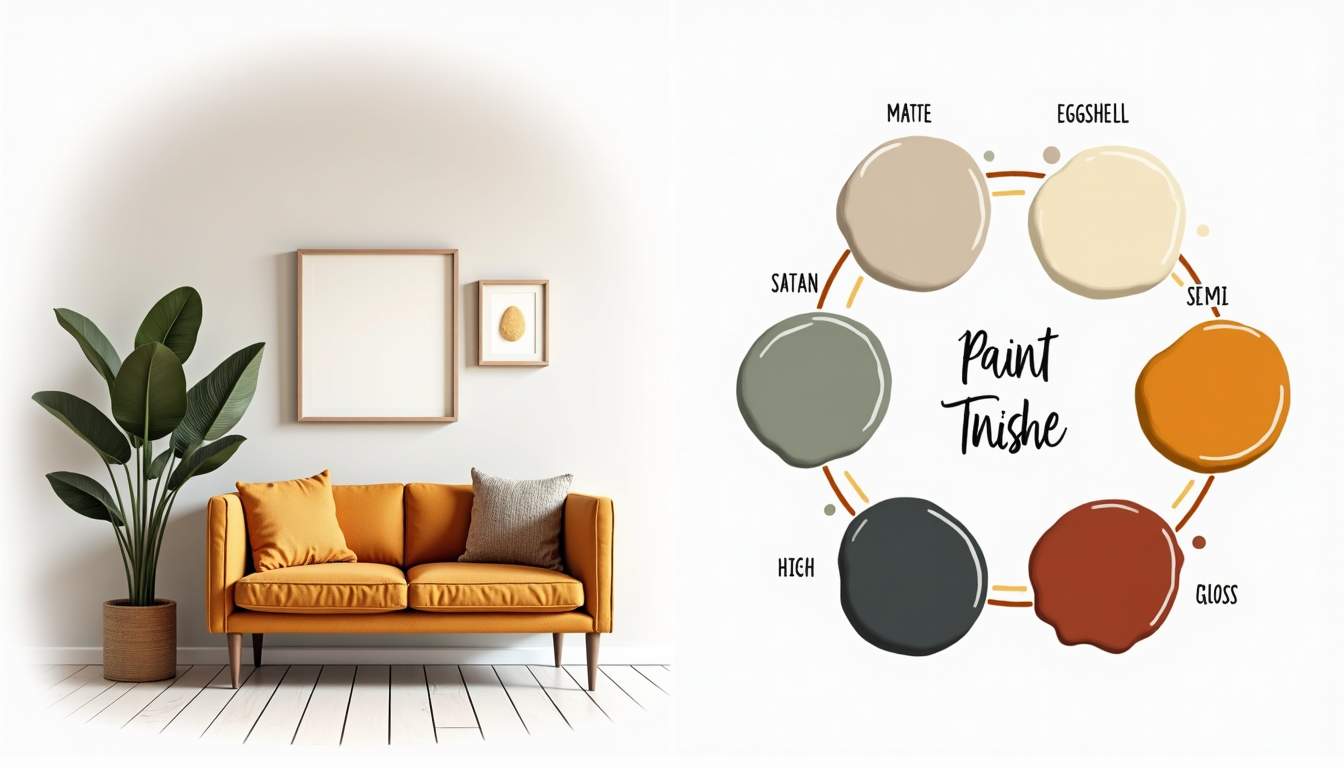
Remember to consider the room’s function, test samples, and prepare surfaces carefully to achieve the best results. With the right paint finish, your walls will not only look beautiful but also stand the test of time.
By understanding the nuances of paint finishes, homeowners can make informed decisions that enhance both the aesthetics and functionality of every room in their home.