In the demanding world of manufacturing, shipping, and heavy industry, precision and reliability are paramount. Industrial platform scales serve as the backbone for accurate weight measurement, ensuring that operations run smoothly and efficiently. However, not all scales are created equal. When faced with harsh conditions such as extreme temperatures, moisture, dust, and heavy loads, only the most durable platform scales can withstand the test of time.
This article explores the key features, materials, and technologies that make industrial platform scales resilient in tough environments. Whether you’re upgrading your current weighing system or selecting scales for a new facility, understanding what makes a scale durable will help you make an informed decision.
Understanding the Demands of Harsh Industrial Environments
Industrial environments are often unforgiving. From the constant vibrations of heavy machinery to exposure to corrosive chemicals, scales must endure a variety of challenges. Typical harsh conditions include:
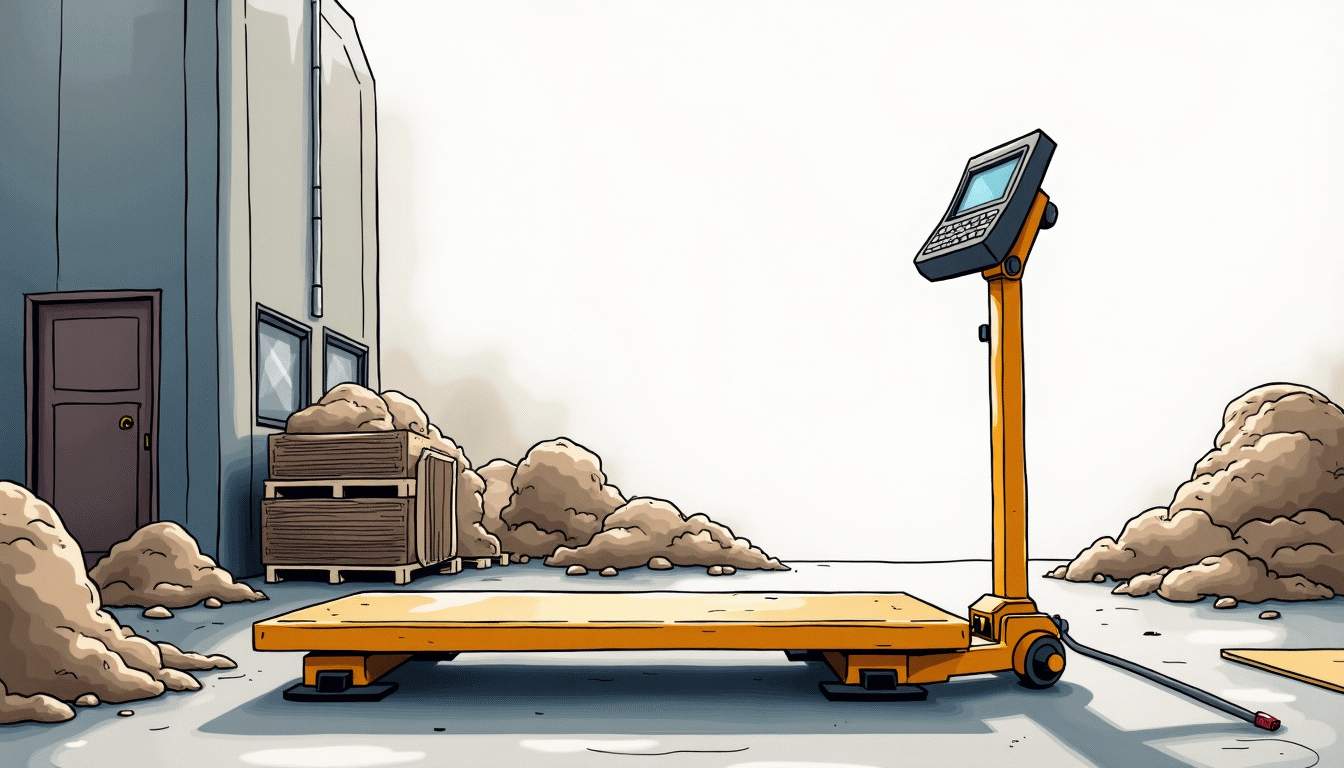
- Extreme temperatures: Some industries operate in freezing cold warehouses or scorching outdoor yards, where temperature fluctuations can affect scale accuracy and component longevity.
- Moisture and humidity: Wet environments, including food processing plants and chemical facilities, require scales that resist rust and water damage.
- Dust and debris: Construction sites, mining operations, and grain processing plants generate dust and particulate matter that can clog or damage sensitive equipment.
- Heavy and uneven loads: Industrial scales often bear heavy, bulky, or irregularly shaped items that can strain the platform and load cells.
Understanding these environmental factors is crucial when selecting a platform scale that will maintain precision and durability over time. The materials used in the construction of these scales must be carefully considered; for instance, stainless steel is often preferred for its resistance to corrosion, while rugged designs can help withstand the impacts of heavy use. Additionally, features such as weatherproof enclosures and sealed load cells can further enhance the scale’s performance in adverse conditions.
Moreover, regular maintenance and calibration are vital to ensure that scales continue to function optimally. In harsh environments, the accumulation of dirt, moisture, or chemical residues can lead to inaccuracies, making it essential for operators to implement a routine inspection schedule. By doing so, businesses can not only prolong the life of their equipment but also ensure that their operations remain compliant with industry regulations and standards. For more details, visit Scales4U through the following link: https://scales4u.co.za/
The Importance of Accurate Weight Measurement
Accurate weight measurement is more than just a technical requirement—it impacts safety, compliance, and profitability. Overloading equipment can lead to accidents, while underestimating weights can cause shipping errors and regulatory violations. Durable industrial platform scales ensure consistent accuracy, even in challenging conditions, helping businesses avoid costly mistakes. Furthermore, the integration of advanced technology, such as digital displays and automated data logging, allows for real-time monitoring and analysis, enhancing operational efficiency.
In addition to safety and compliance, accurate weight measurement can significantly influence supply chain management. For instance, precise measurements can optimize inventory control, reduce waste, and streamline logistics processes. Companies that invest in reliable weighing solutions often find that they can better manage their resources, leading to increased productivity and reduced operational costs. As industries continue to evolve, the demand for high-performance scales that can withstand the rigors of harsh environments will only grow, making it imperative for businesses to stay ahead of the curve.
Key Features of Durable Industrial Platform Scales
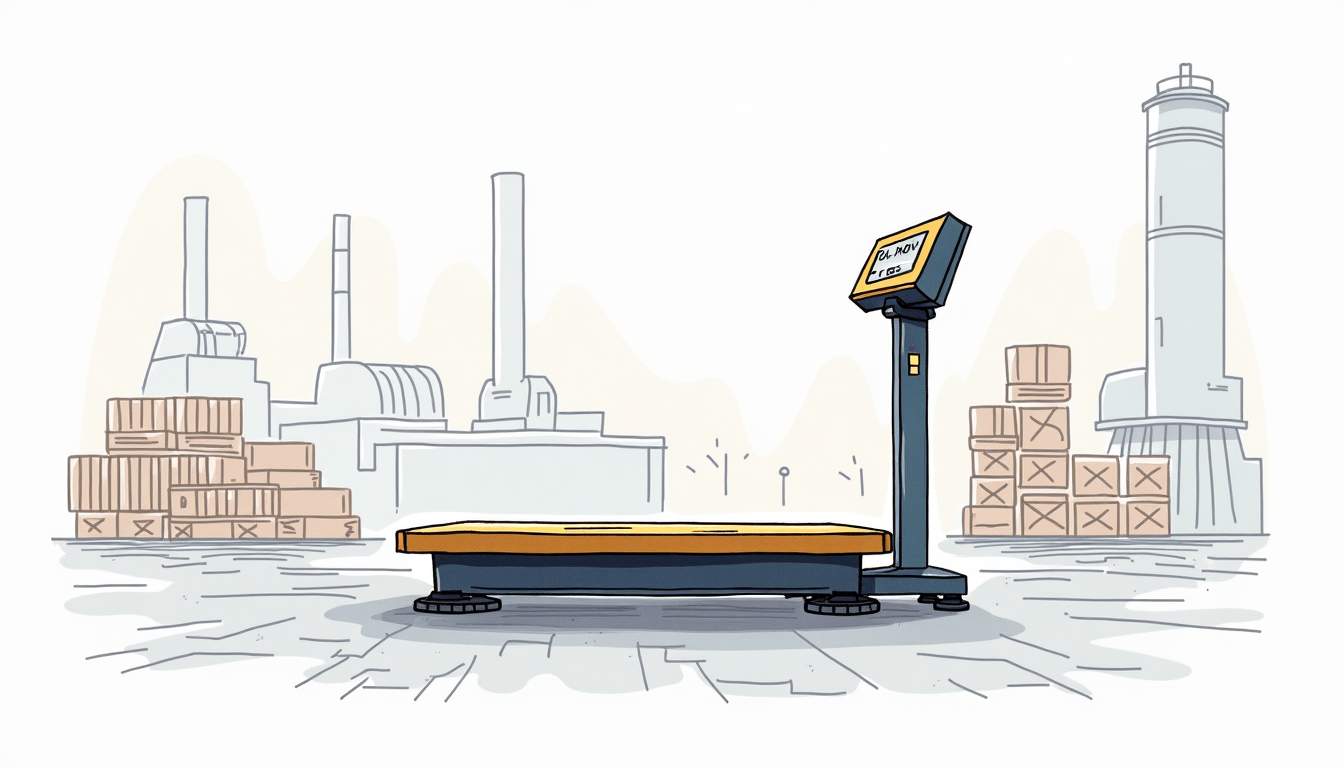
Durability in industrial scales stems from a combination of design, materials, and technology. Here are some essential features to look for:
Robust Construction Materials
One of the most critical factors in scale durability is the choice of materials. Stainless steel is often the material of choice due to its corrosion resistance and strength. It withstands exposure to moisture and chemicals without rusting or degrading.
For environments where impact resistance is vital, heavy-gauge steel with protective coatings can provide extra durability. Some scales also incorporate reinforced platforms or bumpers to protect against accidental collisions with forklifts or pallet jacks. Furthermore, the choice of non-slip surface materials can enhance safety, ensuring that loads remain stable during weighing operations, even in high-traffic areas.
Sealed Load Cells and Electronics
Load cells are the heart of any scale, converting weight into an electrical signal. In tough environments, load cells must be sealed against dust, water, and other contaminants. IP67 or higher-rated load cells are common in industrial scales, ensuring protection against immersion and dust ingress.
Additionally, the electronics and junction boxes should be housed in weatherproof enclosures. This prevents moisture or dirt from causing malfunctions or inaccurate readings. Some advanced models even feature self-diagnostic capabilities, alerting users to potential issues before they become critical, which can significantly reduce downtime and maintenance costs.
High Weight Capacities and Platform Sizes
Durable industrial platform scales often support capacities ranging from a few hundred pounds to several tons. The platform size should accommodate the typical load dimensions while maintaining stability.
Some scales offer modular or customizable platform sizes, allowing businesses to tailor the scale to their specific needs without compromising durability or accuracy. This flexibility is particularly beneficial in industries like logistics and manufacturing, where the types of loads can vary greatly. Additionally, some platforms are designed to be portable, enabling easy relocation within a facility, which can enhance operational efficiency.
Advanced Display and Interface Options
Industrial scales benefit from user-friendly displays that remain readable in bright sunlight or low-light conditions. Backlit LCD or LED displays with large digits help operators quickly verify weights.
Interfaces that support connectivity to computers, printers, or inventory systems enhance workflow efficiency. Ruggedized control panels with tactile buttons or touchscreens designed for industrial use improve usability even when wearing gloves. Moreover, some scales now incorporate wireless technology, allowing for remote monitoring and data collection, which can streamline processes and improve data accuracy across various operational stages.
Technologies Enhancing Durability and Performance
Modern industrial platform scales incorporate advanced technologies that boost both durability and performance. These innovations address common challenges faced in tough environments.

Shock and Vibration Resistance
Heavy machinery and constant movement generate vibrations that can affect scale accuracy and damage components. Shock-absorbing mounts and vibration-isolating load cells help maintain precise measurements and extend the lifespan of the scale.
Environmental Protection Ratings
Ingress Protection (IP) ratings indicate the level of protection against dust and water. Scales with IP68 ratings can withstand continuous immersion, making them suitable for washdown environments like food processing or pharmaceuticals.
In addition to IP ratings, some scales meet NEMA standards for enclosures, ensuring protection against environmental hazards such as rain, ice, and corrosive substances.
Wireless and Remote Monitoring Capabilities
Wireless connectivity allows operators to monitor weights remotely, reducing the need for physical interaction with the scale in hazardous or hard-to-reach areas. Bluetooth, Wi-Fi, or proprietary wireless protocols enable real-time data transmission to control rooms or mobile devices.
This technology not only improves safety but also facilitates data logging and integration with inventory management systems.
Applications of Durable Industrial Platform Scales
Durable industrial platform scales find applications across a wide range of sectors, each with unique demands and environments.
Manufacturing and Assembly Lines
In manufacturing plants, scales are used to weigh raw materials, components, and finished products. The scales must endure constant use, occasional impacts, and exposure to oils or solvents. Stainless steel platforms and sealed electronics ensure longevity and consistent performance.
Logistics and Shipping
Shipping yards and warehouses rely on platform scales to verify shipment weights for compliance and billing. Scales in these settings often face rough handling, outdoor exposure, and heavy loads. Rugged designs with large platforms and high weight capacities are essential.
Food Processing and Pharmaceuticals
Hygiene is critical in food and pharmaceutical industries. Scales must withstand frequent washdowns with water and sanitizing agents. Stainless steel construction, IP68-rated load cells, and easy-to-clean designs prevent contamination and maintain accuracy.
Construction and Mining
Construction sites and mines present some of the harshest environments, with dust, dirt, and heavy equipment. Portable platform scales with shock-resistant features and protective coatings help operators weigh materials accurately despite the challenging conditions.
Maintenance Tips to Extend Scale Lifespan
Even the most durable industrial platform scales require regular maintenance to perform optimally over time. Implementing a maintenance routine can prevent costly downtime and repairs.
Regular Cleaning and Inspection
Keep the platform and load cells free from debris, dust, and moisture. Use appropriate cleaning agents that do not corrode or damage the scale’s surface. Inspect cables, connectors, and seals for signs of wear or damage.
Calibration and Testing
Periodic calibration ensures the scale maintains accuracy. Use certified calibration weights and follow manufacturer guidelines. Regular testing can detect issues early before they affect operations.
Protective Measures
Install bumpers or guardrails around the scale to protect against forklift or pallet jack impacts. Use scale covers or shelters in outdoor environments to shield from weather extremes.
Choosing the Right Industrial Platform Scale
Selecting the ideal platform scale involves balancing durability, accuracy, capacity, and cost. Consider the following factors:
- Environmental Conditions: Assess exposure to moisture, dust, temperature extremes, and chemicals.
- Load Characteristics: Determine typical weight ranges and load dimensions.
- Frequency of Use: High-traffic areas may require more robust designs.
- Integration Needs: Consider connectivity with existing systems and data management requirements.
- Budget Constraints: Durable scales may have higher upfront costs but offer better long-term value.
Consulting with scale manufacturers or specialists can help tailor solutions that meet specific operational needs.
Conclusion
Durable industrial platform scales are essential tools for businesses operating in tough environments. Their robust construction, advanced technologies, and thoughtful design enable accurate and reliable weight measurement despite exposure to harsh conditions. Investing in high-quality scales not only improves operational efficiency but also enhances safety and compliance.
By understanding the demands of your environment and selecting scales with the right features, industries can ensure their weighing processes remain precise and dependable for years to come.