In today’s fast-paced business environment, the demand for efficient, reliable, and adaptable labeling solutions has never been higher. Whether it’s for inventory management, shipping, retail pricing, or product identification, the right type of label can make a significant difference in operational effectiveness. Among the most popular and versatile labeling technologies are direct thermal and thermal transfer labels. Each offers unique advantages tailored to different applications, making them indispensable tools for businesses seeking flexible printing options.
Understanding the Basics: What Are Direct Thermal and Thermal Transfer Labels?
Direct Thermal Labels: Simplicity and Speed
Direct thermal labels are designed to work with direct thermal printers, which use heat-sensitive paper that darkens when exposed to heat. This means the printer applies heat directly to the label surface, creating an image without the need for ink, toner, or ribbons. The simplicity of this process makes direct thermal printing fast, cost-effective, and easy to maintain.
These labels are commonly used in applications where short-term labeling is sufficient, such as shipping labels, receipts, and tickets. Their sensitivity to heat and light means they are not ideal for long-term use, but their ease of use and low cost make them a favorite for many businesses. In environments where quick labeling is essential, such as retail and logistics, direct thermal labels shine due to their ability to produce clear, legible prints in a matter of seconds. Additionally, the lack of consumables like ink or toner reduces the overall operational costs, making them an attractive option for small businesses and startups.
Thermal Transfer Labels: Durability and Versatility
Thermal transfer labels, on the other hand, require a ribbon that melts ink onto the label surface using a thermal printhead. This process produces highly durable and long-lasting images that can withstand harsh environments, including exposure to chemicals, abrasion, and extreme temperatures.
Because of their resilience, thermal transfer labels are often used for product identification, asset tagging, and compliance labeling where durability is critical. The ability to print on a wide variety of materials, including synthetic films, makes thermal transfer labels a versatile choice for many industries. Furthermore, the range of ribbon options available allows for customization in terms of color and finish, enabling businesses to create labels that not only serve a functional purpose but also enhance branding efforts. In sectors such as pharmaceuticals and food services, where labeling must meet strict regulatory standards, thermal transfer labels provide the reliability and quality necessary to ensure compliance and safety. To explore more about these solutions, you can visit Libra Labels through the following link: https://www.libra.co.za/
Key Differences Between Direct Thermal and Thermal Transfer Labels
Material and Print Longevity
One of the most significant differences between these two labeling methods lies in the materials used and the lifespan of the printed image. Direct thermal labels use heat-sensitive paper that fades over time, especially when exposed to sunlight, heat, or abrasion. This makes them ideal for short-term applications but less suitable for labels that need to last months or years. For instance, they are commonly used for shipping labels, receipts, and temporary tags, where the label’s lifespan aligns with the short-term nature of the task at hand.
Thermal transfer labels, by contrast, can be printed on a variety of materials, including polyester, polypropylene, and vinyl, which are far more durable. The ink from the ribbon bonds to the label surface, creating a print that resists fading, smudging, and environmental damage. This makes thermal transfer labels the go-to option for long-lasting labeling needs. Industries such as manufacturing, logistics, and healthcare often rely on these labels for asset tracking, product identification, and compliance labeling, where durability is critical for operational efficiency.
Cost Considerations
Direct thermal printing systems are generally less expensive upfront because they don’t require ribbons. The labels themselves tend to be slightly more costly than standard paper labels but still affordable given the elimination of consumables like ink or toner. This cost-effectiveness can be particularly appealing for small businesses or those with limited budgets, as it allows for a straightforward labeling solution without the need for extensive initial investment.
Thermal transfer printing involves additional costs for ribbons, which vary depending on the type of ink (wax, resin, or wax-resin blends) and the label material. However, the investment pays off in applications where label longevity and durability are paramount, reducing the need for frequent re-labeling. Businesses that require high-quality, long-lasting labels often find that the upfront costs are offset by the savings associated with reduced waste and improved efficiency in operations.
Environmental Impact
Environmental considerations are increasingly important for businesses. Direct thermal labels, while simple, often use chemically treated paper that can be less eco-friendly. Additionally, their shorter lifespan can lead to more frequent replacements and waste. The disposal of these labels can contribute to landfill issues, particularly in industries that generate high volumes of labels, prompting many companies to seek more sustainable alternatives.
Thermal transfer labels, with their synthetic materials and ribbons, might seem less environmentally friendly at first glance. However, the durability of these labels means fewer replacements and less waste over time. Many manufacturers are also developing recyclable and more sustainable label and ribbon options to address these concerns. Innovations in biodegradable materials and eco-conscious production processes are emerging, allowing businesses to maintain their labeling needs while also prioritizing environmental stewardship. As sustainability becomes a core value for many organizations, the choice between these two labeling methods may increasingly hinge on their environmental impact and the long-term benefits they offer.
Choosing the Right Label for Your Application
When to Choose Direct Thermal Labels
Direct thermal labels excel in applications where the label’s life is short and cost-efficiency is a priority. Some common uses include:
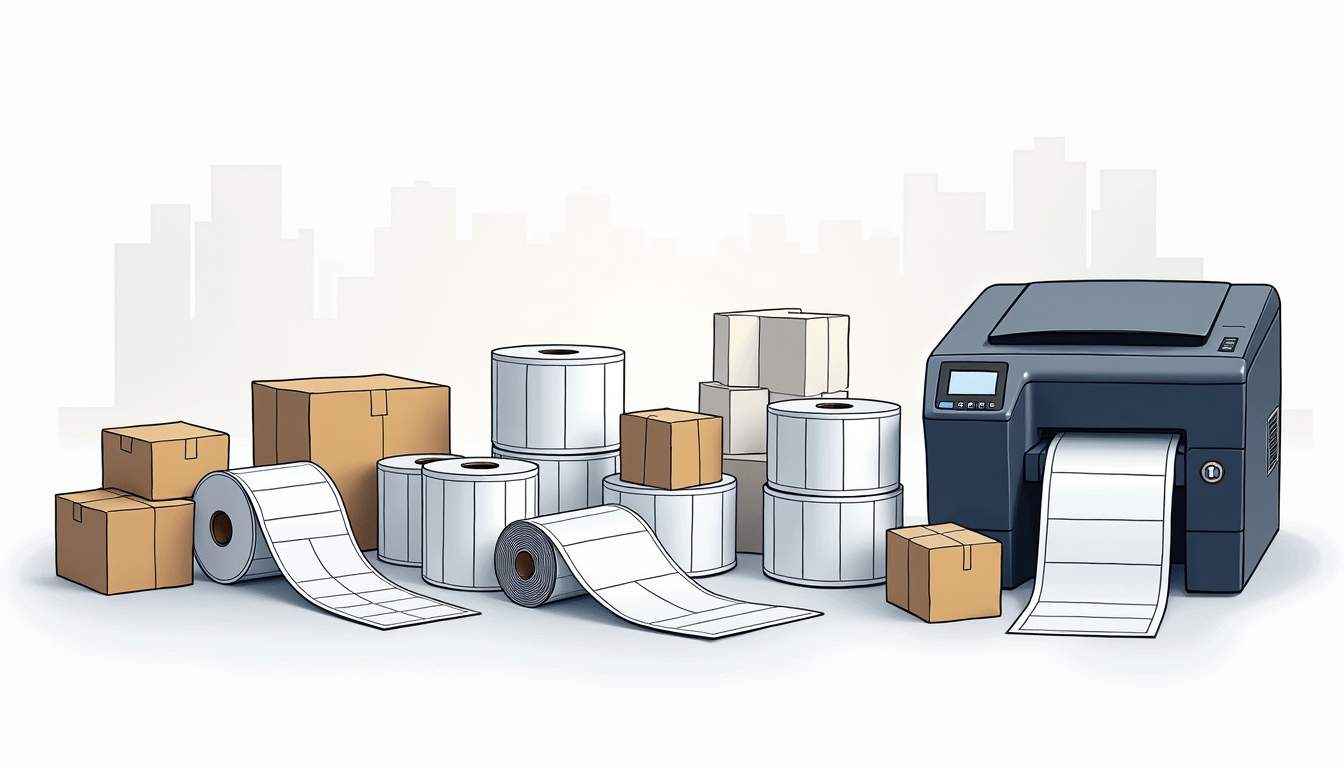
- Shipping and logistics: Labels for packages that are scanned and discarded upon delivery.
- Retail receipts: Point-of-sale receipts and price tags that don’t need to last long.
- Event tickets and wristbands: Temporary identification where durability is not critical.
Because direct thermal printers don’t require ribbons, they are easier to maintain and operate, making them ideal for high-volume, fast-paced environments. Additionally, the printing process is quieter and faster, which can significantly enhance the customer experience in retail settings. Direct thermal labels are also less prone to smudging, ensuring that crucial information remains clear and legible, even in busy environments where labels may be handled frequently.
Moreover, the simplicity of direct thermal labels allows businesses to quickly adapt to changing needs. For instance, if a retailer decides to run a limited-time promotion, they can easily print new labels on demand without the need for additional supplies like ribbons or ink. This flexibility not only saves time but also reduces waste, making it an environmentally friendly option for businesses looking to streamline their operations.
When Thermal Transfer Labels Are the Best Choice
Thermal transfer labels are preferred when label longevity and resistance to environmental factors are essential. Typical applications include:
- Asset tracking: Labels that must endure handling, weather, and chemicals over extended periods.
- Product identification: Durable labels for products stored in warehouses or displayed in retail environments.
- Compliance labeling: Labels that meet regulatory standards and require legibility over time.
The ability to print on synthetic materials also opens up possibilities for specialized uses, such as outdoor labeling and industrial equipment tagging. These labels can withstand exposure to UV light, moisture, and extreme temperatures, making them ideal for outdoor applications or in manufacturing settings where conditions can be harsh. Furthermore, thermal transfer labels can be customized with various finishes, including matte or gloss, allowing businesses to choose the best aesthetic for their brand.
In addition, thermal transfer printing technology supports a wider range of colors and graphics, enabling companies to create visually appealing labels that enhance product branding. This capability is particularly beneficial for businesses looking to differentiate themselves in competitive markets. With the right thermal transfer label, companies can not only ensure durability and compliance but also make a strong visual impact that resonates with consumers.
Advancements in Label Technology and Printing
Innovations in Direct Thermal Labels
Recent developments have improved the durability and performance of direct thermal labels. Enhanced coatings and protective overlays now extend the life of direct thermal prints, allowing them to withstand moderate exposure to heat and light. These advancements have broadened the range of applications where direct thermal labels can be effectively used.
Moreover, the integration of smart labels with embedded RFID or NFC technology is becoming more common, enabling businesses to combine direct thermal printing with digital tracking and data collection.
Thermal Transfer Ribbon Technology
Thermal transfer ribbons have also seen significant innovation. Manufacturers now offer ribbons tailored for specific applications, including:
- Wax ribbons: Ideal for printing on paper labels with good print quality and cost-effectiveness.
- Resin ribbons: Provide superior durability and chemical resistance, perfect for synthetic labels.
- Wax-resin ribbons: A balanced option offering durability and print quality for a variety of materials.
These specialized ribbons ensure that thermal transfer printing can meet the exacting demands of diverse industries.
Practical Tips for Maximizing Label Performance
Proper Storage and Handling
Regardless of the label type, proper storage is critical to maintaining print quality and label integrity. Labels should be stored in a cool, dry place away from direct sunlight and heat sources. For direct thermal labels, minimizing exposure to light and heat before use helps prevent premature darkening.
Printer Maintenance
Regular maintenance of thermal printers ensures consistent print quality and extends the life of the equipment. Cleaning the printhead and rollers, checking ribbon alignment (for thermal transfer printers), and using high-quality consumables all contribute to optimal performance.
Testing and Quality Control
Before deploying labels at scale, conducting tests to verify print quality, adhesion, and durability under actual use conditions is essential. This practice helps avoid costly errors and ensures that labels meet the specific needs of the application.
Conclusion
Direct thermal and thermal transfer labels each bring unique strengths to the table, offering businesses flexible options to meet diverse labeling requirements. Direct thermal labels provide a straightforward, cost-effective solution for short-term labeling, while thermal transfer labels deliver the durability and versatility needed for demanding environments.
Understanding the differences between these technologies and carefully evaluating your application’s specific needs will help you select the best labeling solution. With ongoing advancements in materials and printing technology, both direct thermal and thermal transfer labels continue to evolve, offering even greater flexibility and performance for businesses across industries.
By investing in the right label technology and following best practices for storage, printing, and quality control, companies can enhance operational efficiency, improve product tracking, and ensure compliance all while managing costs effectively.