When it comes to designing a restaurant that leaves a lasting impression, every detail counts. From the lighting to the furniture, each element plays a pivotal role in crafting an atmosphere that draws guests in and keeps them coming back. Among these elements, custom millwork stands out as a transformative feature that elevates restaurant interiors from ordinary to extraordinary.
Custom millwork refers to the bespoke woodwork created specifically for a space, tailored to fit its unique design and functional needs. This craftsmanship can include everything from intricately carved wall panels and stunning bar fronts to custom cabinetry and seating. The magic of custom millwork lies in its ability to blend artistry with utility, adding warmth, texture, and personality to any restaurant environment.
The Role of Custom Millwork in Restaurant Design
Restaurants are more than just places to eat; they are experiences. Custom millwork plays a crucial role in shaping these experiences by influencing the ambiance and flow of the space. Unlike mass-produced furnishings, custom millwork is designed with the restaurant’s specific aesthetic and operational needs in mind, ensuring a seamless integration of style and function.
One of the key advantages of custom millwork is its versatility. Whether a restaurant aims for a rustic farmhouse vibe, a sleek modern look, or a cozy, vintage feel, custom woodwork can be crafted to complement and enhance the chosen theme. This adaptability makes it a favorite among interior designers and restaurateurs who want to create a distinctive identity for their establishments.
Creating a Cohesive Atmosphere
Custom millwork helps unify various design elements within a restaurant, creating a cohesive atmosphere that feels intentional and well thought out. For example, matching wood tones in the bar, booths, and wall accents can tie different areas together visually. This consistency not only elevates the overall aesthetic but also contributes to a more comfortable and inviting environment for diners.
Maximizing Functionality and Space
Beyond aesthetics, custom millwork by RHQ Store is invaluable for optimizing space and improving functionality. Restaurants often face challenges like limited floor space or awkward layouts. Custom-built cabinetry, shelving, and seating can be designed to maximize every inch, providing ample storage and comfortable seating without cluttering the space.
Moreover, millwork can be tailored to meet specific operational needs, such as integrating discreet compartments for menus, condiments, or staff essentials, enhancing efficiency behind the scenes.
Popular Custom Millwork Elements in Restaurant Interiors
Custom millwork encompasses a wide range of elements that contribute to the overall design narrative of a restaurant. Here are some of the most popular and impactful millwork features that restaurateurs often incorporate:
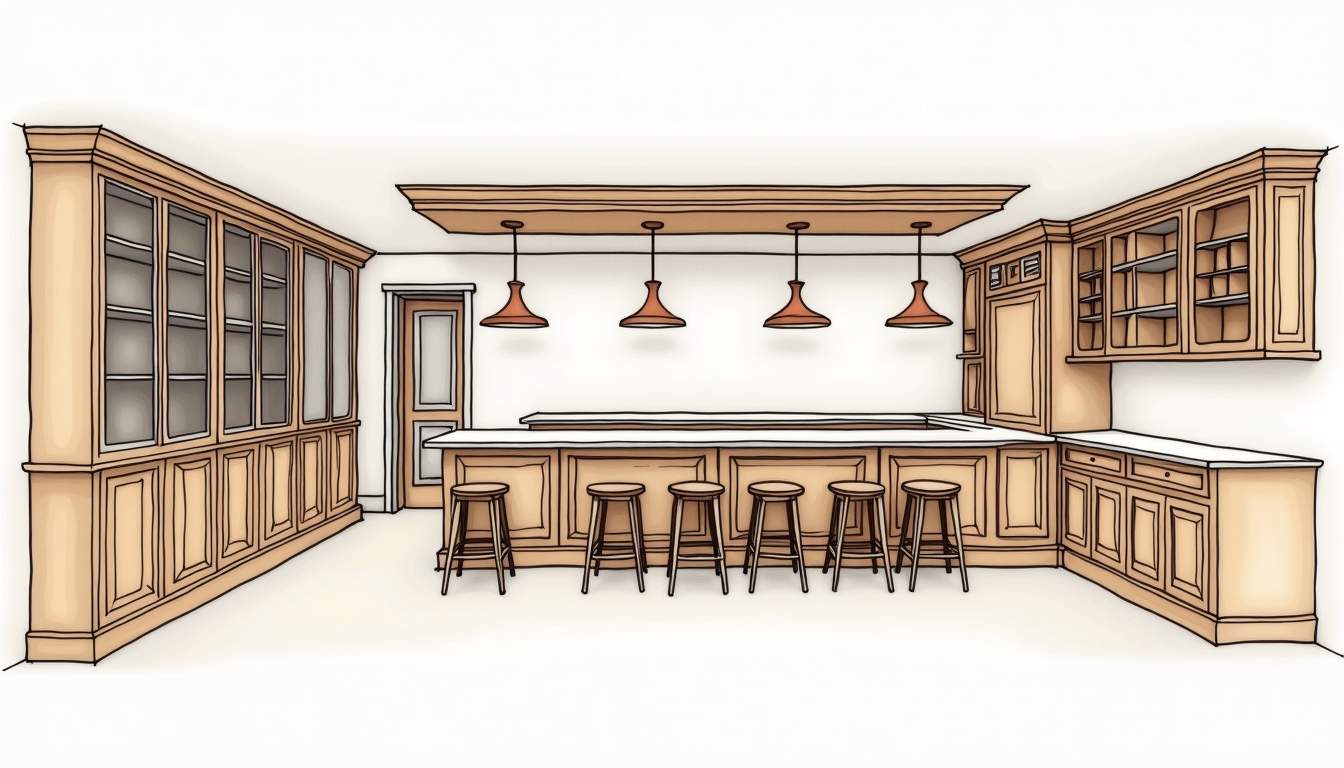
1. Custom Bar Fronts and Counters
The bar is often the centerpiece of a restaurant or lounge, and custom millwork can transform it into a stunning focal point. From intricately carved panels to sleek, minimalist designs with hidden LED lighting, the bar front sets the tone for the entire space.
Using high-quality wood species, combined with finishes like stains, paints, or lacquers, designers can create bar fronts that range from rustic charm to ultra-modern sophistication. Additionally, custom counters can be designed with ergonomic considerations, ensuring bartenders have everything they need within easy reach.
2. Built-In Booths and Seating
Comfortable seating is essential for a memorable dining experience, and custom-built booths offer both comfort and style. Millwork allows for the creation of seating that fits perfectly within the restaurant’s layout, maximizing capacity without sacrificing comfort.
These booths can be designed with built-in storage underneath, or feature decorative wood paneling that adds texture and depth to the dining area. Upholstery choices combined with wood finishes create a tactile and visual contrast that enhances the overall ambiance.
3. Wall Paneling and Decorative Accents
Walls are often overlooked in restaurant design, but custom wood paneling can add warmth and character to these surfaces. Whether it’s wainscoting, shiplap, or more elaborate carved panels, millwork on walls can transform a plain room into a cozy, inviting space.
Decorative accents such as wooden beams, corbels, and moldings further enhance the architectural interest of the space. These details can subtly reinforce the restaurant’s theme, whether it’s nautical, industrial, or classic elegance.
4. Custom Shelving and Display Units
Displaying wines, spirits, or artisanal products can be both practical and decorative. Custom shelving units crafted from wood provide a beautiful way to showcase these items while keeping them organized and accessible.
Designers often incorporate lighting into these units to highlight the products and add a warm glow to the space. The flexibility of custom millwork means shelves can be tailored to fit awkward spaces or create unique shapes that add visual interest.
Choosing the Right Wood and Finish for Your Restaurant
Wood selection and finishing are critical decisions in custom millwork that impact both the look and durability of the pieces. Restaurants require materials that can withstand heavy use, spills, and frequent cleaning, all while maintaining their aesthetic appeal.
Popular Wood Species for Millwork
Hardwoods like oak, maple, walnut, and cherry are popular choices for restaurant millwork due to their durability and beautiful grain patterns. Oak offers a classic look with strong grain lines, while walnut provides a rich, dark tone that exudes luxury. Maple is known for its smooth texture and lighter color, perfect for modern or Scandinavian-inspired designs.
Softwoods such as pine or cedar can also be used, especially for decorative elements, but they generally require more maintenance and care in high-traffic environments.
Finishing Techniques to Enhance Durability and Style
Finishes protect the wood from moisture, stains, and wear, making them essential in a restaurant setting. Polyurethane finishes are commonly used for their toughness and resistance to heat and chemicals. For a more natural look, oil finishes such as tung or linseed oil penetrate the wood and enhance its grain without forming a hard surface.
Paint and stains offer additional options for customizing the appearance. Stains can deepen the wood’s color and highlight its grain, while paint allows for bold color choices that can tie into the restaurant’s branding or design theme.
Integrating Custom Millwork with Other Design Elements
To truly achieve a stunning restaurant interior, custom millwork must harmonize with other design components such as lighting, flooring, and textiles. The interplay between these elements creates a layered and immersive experience for guests.
Lighting and Millwork Synergy
Lighting can dramatically enhance the beauty of custom millwork. Strategically placed spotlights or LED strips can highlight the texture and craftsmanship of wood panels, bars, and shelving. Warm lighting tones complement wood’s natural hues, creating a cozy and inviting atmosphere.
Conversely, millwork can be designed to incorporate lighting features, such as backlit panels or illuminated display shelves, adding both function and flair.
Flooring and Millwork Coordination
Coordinating wood tones between flooring and millwork can create a seamless flow throughout the restaurant. Alternatively, contrasting tones can be used to define different zones within the space, such as separating dining areas from bars or lounges.
Materials like stone or tile flooring can also be paired with wood millwork to introduce texture and balance, contributing to a well-rounded design palette.
Textiles and Upholstery Choices
Soft furnishings like cushions, curtains, and upholstery work hand-in-hand with wood millwork to soften the overall look and add comfort. Choosing fabrics that complement the wood’s color and style enhances the cohesive feel of the interior.
For example, leather upholstery pairs beautifully with dark walnut millwork for a luxurious vibe, while linen or cotton fabrics work well with lighter woods for a fresh, airy ambiance.
Benefits of Investing in Custom Millwork for Restaurants
While custom millwork may require a higher upfront investment compared to standard furnishings, the benefits it brings to restaurant interiors are substantial and long-lasting.
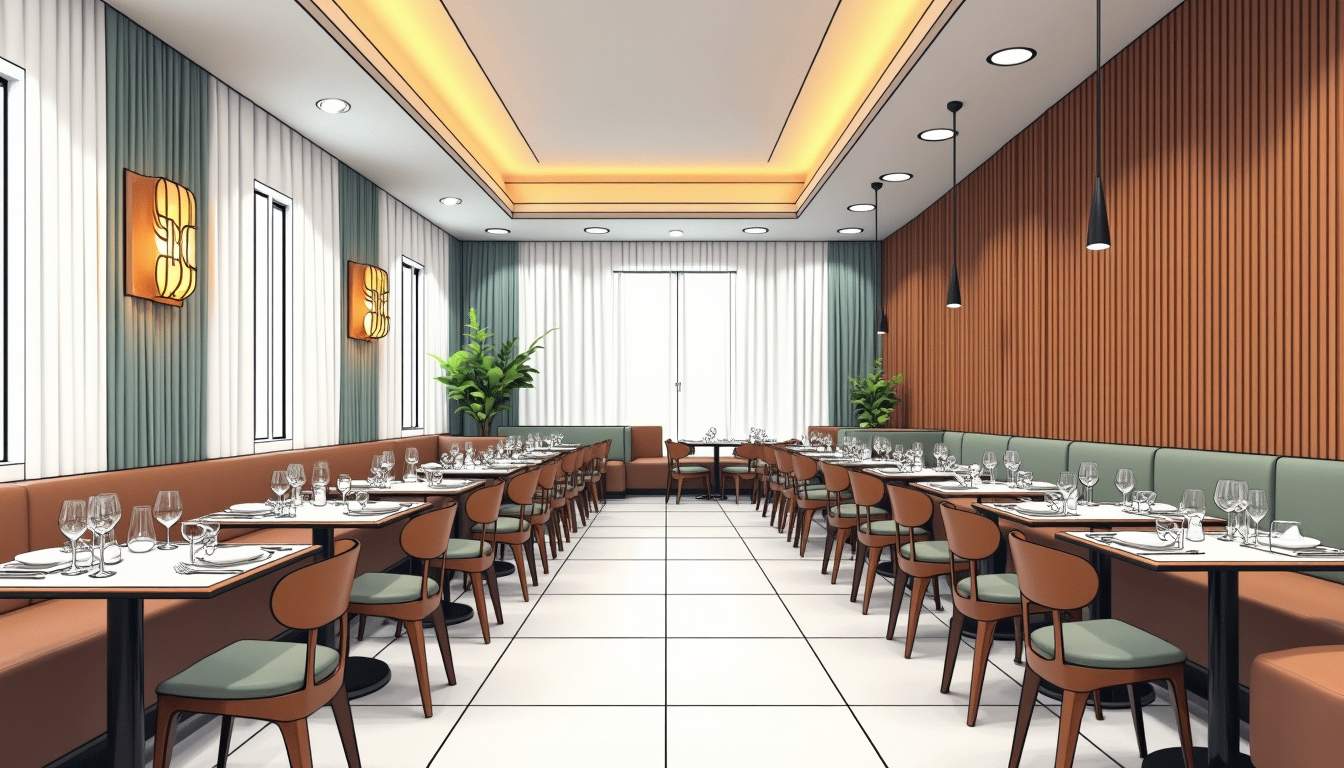
Enhanced Brand Identity
Custom millwork allows restaurants to express their unique brand identity through design. From the choice of wood and finish to the style and detailing, every piece can tell a story that resonates with the restaurant’s concept and clientele.
Improved Customer Experience
Beautiful, well-crafted interiors contribute to a memorable dining experience. Guests are more likely to feel comfortable and valued in a space that feels thoughtfully designed and welcoming, encouraging repeat visits and positive word-of-mouth.
Durability and Longevity
High-quality custom millwork is built to last. Unlike mass-produced furniture that may wear out quickly, custom pieces are crafted with attention to detail and superior materials, ensuring they maintain their beauty and functionality over time.
Flexibility and Adaptability
Custom millwork can be designed to accommodate future changes or expansions. For example, modular seating or cabinetry can be reconfigured as the restaurant evolves, providing flexibility that standard furnishings cannot match.
Working with Skilled Craftsmen and Designers
To unlock the full potential of custom millwork, it’s essential to collaborate with experienced craftsmen and interior designers who understand both the artistic and practical aspects of restaurant design.
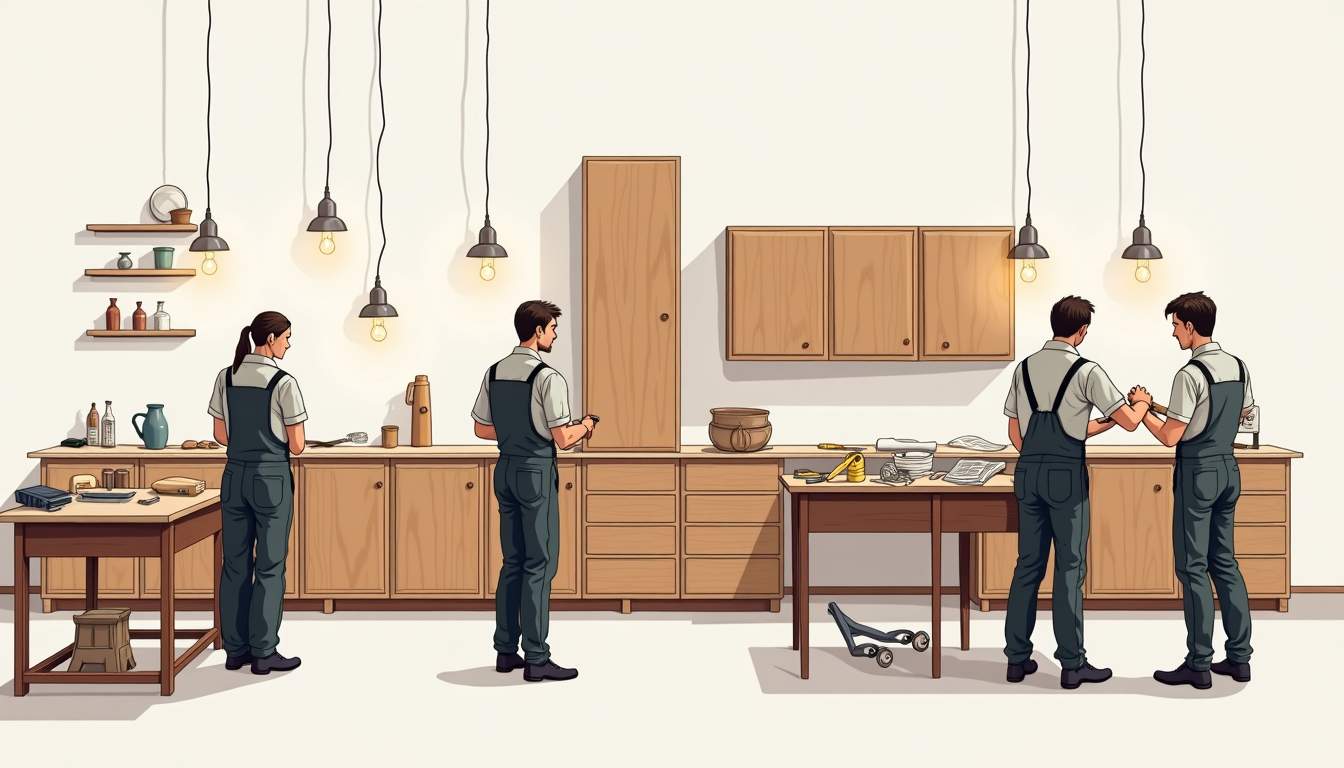
Skilled millworkers bring expertise in selecting the right materials, mastering joinery techniques, and applying finishes that ensure durability and beauty. Meanwhile, designers help translate the restaurant’s vision into tangible millwork elements that fit seamlessly within the overall layout and style.
Open communication and collaboration between the restaurant owner, designer, and millworker are key to achieving a final result that exceeds expectations.
Conclusion
Custom millwork is more than just woodwork; it’s an art form that transforms restaurant interiors into captivating, functional spaces. By investing in bespoke wood elements, restaurateurs can create environments that reflect their brand, enhance the guest experience, and stand the test of time.
From stunning bar fronts and cozy booths to intricate wall paneling and elegant shelving, the possibilities with custom millwork are endless. When thoughtfully designed and expertly crafted, these elements weave together to create a magical ambiance that invites guests to savor not only the food but the entire dining experience.
For restaurants aiming to make a memorable impression, custom millwork is truly a magic ingredient worth exploring.