When the mercury rises and the sun blazes relentlessly, a well-functioning air conditioning system is more than a luxury—it’s a necessity. For those living in hot climates, ensuring your AC is ready to tackle the summer heat can make all the difference between comfort and misery. Waiting until the first heatwave to check your air conditioner often leads to costly repairs or complete breakdowns. Instead, a proactive approach with a thorough pre-summer AC checklist can save time, money, and stress.
This comprehensive guide will walk you through everything you need to inspect, maintain, and prepare your air conditioning system before the summer scorch arrives. From simple DIY tasks to knowing when to call in a professional, these steps will help keep your home cool and comfortable all season long.
Understanding Your AC System: The Foundation of Effective Maintenance
Before diving into the checklist, it’s important to understand the basic components of your air conditioning system. Most residential AC units consist of two main parts: the indoor unit (evaporator coil and air handler) and the outdoor unit (condenser coil and compressor). These parts work together to pull heat from inside your home and release it outside, cooling your living space. The evaporator coil absorbs heat from the indoor air, while the condenser coil expels that heat outside, making the cooling process possible.
Knowing how these components function will help you better identify issues and perform maintenance tasks effectively. For example, clogged filters or dirty coils can drastically reduce efficiency, causing your system to work harder and increase energy bills. Additionally, understanding the role of refrigerant in this process is crucial; it circulates through the system, changing from gas to liquid and back again, absorbing and releasing heat in the process. Keeping an eye on refrigerant levels can prevent overheating and potential system failure. For professional assistance, you can rely on LS Aircon Servicing, a trusted name in ac repair and maintenance services.
Types of Air Conditioning Systems Common in Hot Climates
In hot climates, central air conditioning systems are prevalent due to their ability to cool entire homes efficiently. However, ductless mini-split systems and window units are also popular options depending on the size of the space and budget considerations. Each type requires slightly different maintenance approaches, but the core principles remain the same. Central systems often have a more complex setup, requiring regular checks on ductwork for leaks and ensuring that the thermostat is functioning correctly. In contrast, window units may need more frequent cleaning of the filters and the exterior to maintain optimal airflow.
Understanding your system type will guide you in selecting the right filters, cleaning methods, and troubleshooting steps. For instance, ductless mini-split systems offer the advantage of zoning, allowing you to cool specific areas of your home without wasting energy on unused spaces. This can lead to significant cost savings, especially during the peak summer months. However, they require regular maintenance of the indoor units, including cleaning the air filters and ensuring that the drain lines are clear to prevent water damage. Each system has its unique quirks, and being familiar with these can empower you to keep your AC running smoothly and efficiently.
Pre-Summer AC Checklist: Step-by-Step Preparation
Preparing your air conditioner before the heat sets in ensures it runs smoothly and efficiently. The following checklist covers essential tasks that homeowners can perform themselves, as well as indicators for when professional help is needed.
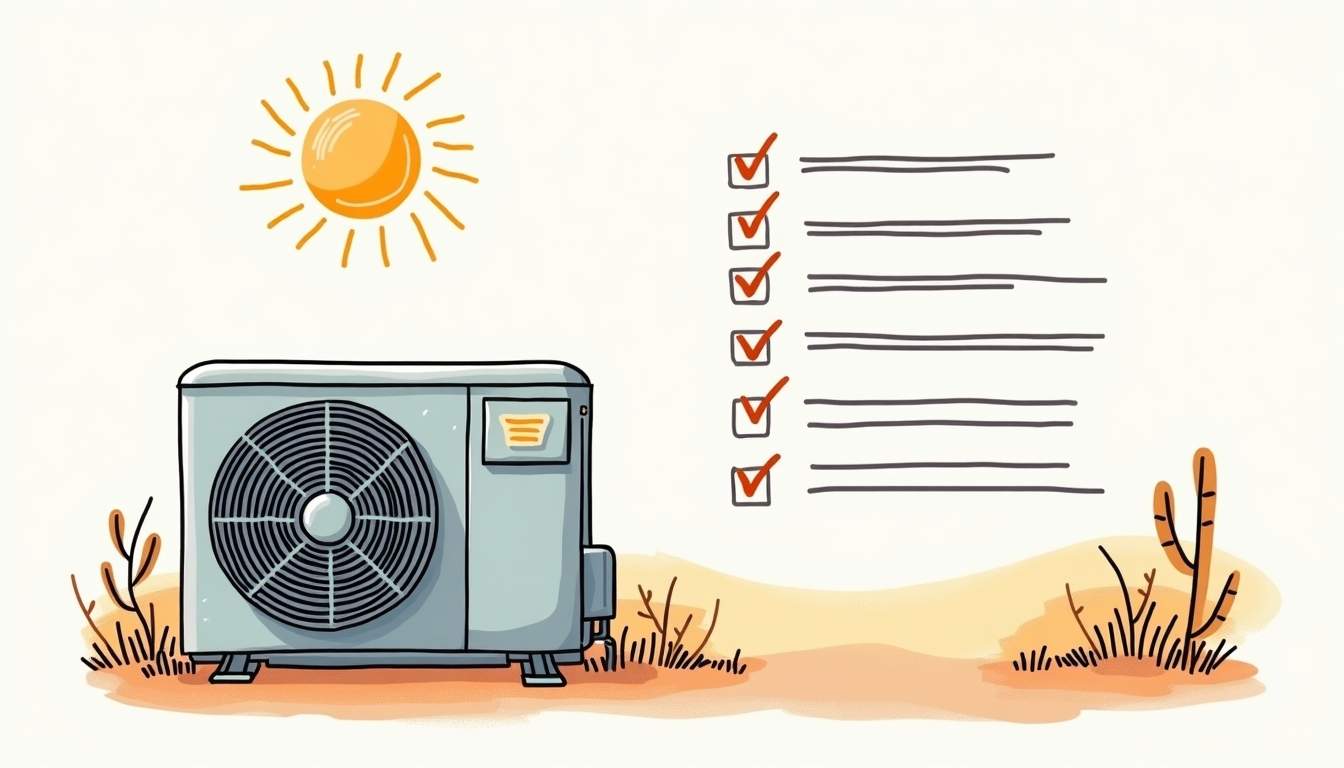
1. Inspect and Replace Air Filters
Dirty air filters restrict airflow, forcing your AC to work harder and consume more energy. In hot climates, filters can become clogged quickly due to dust, pollen, and other airborne particles.
Check your filters monthly during the spring and summer. Replace them if they appear dirty or clogged. High-efficiency particulate air (HEPA) filters or pleated filters are excellent choices for trapping fine particles and improving indoor air quality.
2. Clean the Outdoor Unit
The outdoor condenser unit is exposed to the elements and can accumulate dirt, leaves, and debris. This buildup restricts airflow and reduces cooling efficiency.
Before summer arrives, turn off the power to the unit and gently clean the fins and coils using a soft brush or a garden hose with low pressure. Avoid using a pressure washer as it can damage the delicate fins. Also, clear away any vegetation or objects within at least two feet of the unit to ensure proper airflow.
3. Check the Thermostat Settings and Functionality
Verify that your thermostat is working correctly and set to a comfortable temperature. Upgrading to a programmable or smart thermostat can help optimize cooling schedules and reduce energy consumption.
Test the thermostat by setting it to a lower temperature and listening for the AC to engage. If the system doesn’t respond or cycles irregularly, the thermostat may need recalibration or replacement.
4. Inspect Ductwork for Leaks and Insulation
Leaky or poorly insulated ducts can cause cooled air to escape, reducing system efficiency and increasing energy bills. Inspect accessible ductwork for holes, gaps, or disconnected sections.
Seal leaks with mastic sealant or metal tape, and consider adding insulation to ducts running through unconditioned spaces like attics or crawl spaces. Proper duct maintenance ensures that cooled air reaches every room effectively.
5. Clean or Replace the Evaporator Coil
The evaporator coil absorbs heat from your home’s air. Over time, dust and grime can accumulate, impairing heat absorption and cooling performance.
Cleaning the coil requires removing the access panel and gently brushing or vacuuming the coil surface. For heavily soiled coils, a commercial coil cleaner may be necessary. If you’re uncomfortable performing this task, a professional HVAC technician can handle it safely.
6. Check Refrigerant Levels
Proper refrigerant levels are crucial for efficient cooling. Low refrigerant can indicate leaks, which not only reduce performance but also harm the environment.
Only licensed HVAC professionals should check and recharge refrigerant due to safety and environmental regulations. If your system isn’t cooling effectively despite regular maintenance, schedule a professional inspection.
7. Test the Condensate Drain Line
The condensate drain removes moisture collected from the air during cooling. A clogged drain can cause water damage and increase humidity levels indoors.
Inspect the drain line for blockages and flush it with a mixture of bleach and water to clear algae or mold buildup. Ensure the drain pan is clean and draining properly.
Advanced Tips for Maximizing AC Efficiency in Hot Climates
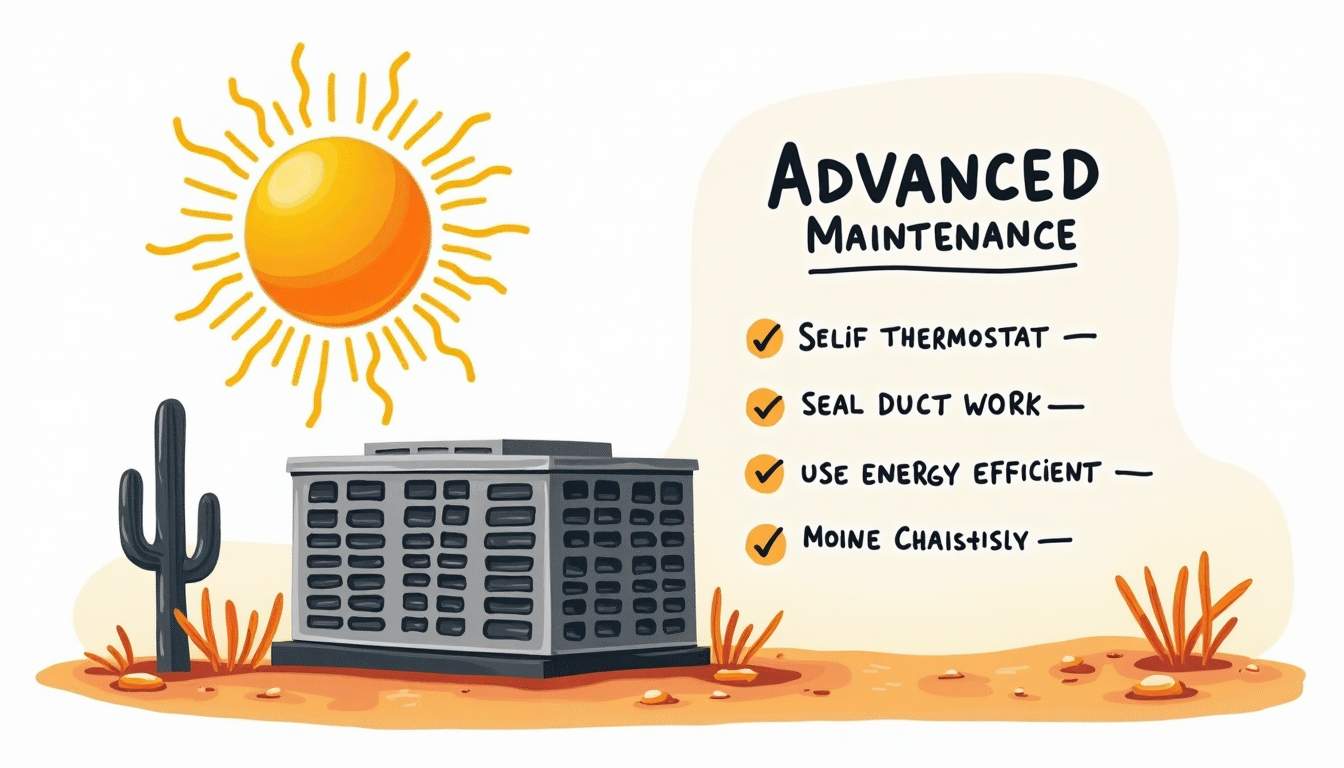
Beyond the basic checklist, several strategies can enhance your air conditioning system’s efficiency and lifespan, especially in regions where the heat can be relentless.
Optimize Home Insulation and Window Treatments
Good insulation keeps the cool air inside and the hot air out. Check attic and wall insulation levels and upgrade if necessary. Installing reflective window films, blackout curtains, or shades can significantly reduce solar heat gain during peak daylight hours.
Use Ceiling Fans to Circulate Air
Ceiling fans create a wind-chill effect that makes rooms feel cooler, allowing you to set the thermostat a few degrees higher without sacrificing comfort. This reduces the load on your AC and lowers energy consumption.
Schedule Regular Professional Maintenance
Annual professional tune-ups can catch potential problems early and keep your system running at peak performance. Technicians can perform tasks like refrigerant checks, electrical inspections, and deep cleanings that go beyond DIY capabilities.
Consider Upgrading to Energy-Efficient Models
If your AC unit is over 10-15 years old, it may be time to consider an upgrade. Modern air conditioners are far more energy-efficient and environmentally friendly. Look for units with a high Seasonal Energy Efficiency Ratio (SEER) rating to maximize savings.
Common Warning Signs Your AC Needs Immediate Attention
Recognizing early signs of AC trouble can prevent complete breakdowns during the hottest days. Watch for these symptoms:
- Unusual Noises: Grinding, squealing, or banging sounds may indicate mechanical issues.
- Weak Airflow: Reduced airflow from vents could signal clogged filters, duct leaks, or failing blower motors.
- Warm Air: If the system blows warm or lukewarm air, refrigerant leaks or compressor problems might be the cause.
- Frequent Cycling: Short cycling (turning on and off rapidly) stresses the system and wastes energy.
- High Humidity: Excess moisture indoors suggests the AC isn’t dehumidifying properly.
If you notice any of these issues, it’s best to contact a licensed HVAC technician promptly to diagnose and repair the problem before the heat intensifies.
Preparing for the Unexpected: Emergency Tips During Heatwaves
Even with the best preparation, air conditioners can fail during extreme heat. Here are some tips to stay safe and comfortable if your AC breaks down:
Stay Hydrated and Use Alternative Cooling Methods
Drink plenty of water and use fans, cool towels, or portable evaporative coolers to help regulate body temperature.
Close Blinds and Curtains
Keep sunlight out to reduce indoor temperatures. Avoid using heat-generating appliances like ovens or dryers during peak heat hours.
Seek Cooling Centers or Public Spaces
If your home becomes unbearably hot, consider visiting community cooling centers, libraries, or shopping malls until your AC is repaired.
Schedule Repairs Promptly
Contact a trusted HVAC professional as soon as possible. Many companies offer emergency services during heatwaves to prioritize urgent repairs.
Conclusion
Living in a hot climate demands a reliable air conditioning system. By following a thorough pre-summer AC checklist, homeowners can avoid the discomfort and expense of unexpected breakdowns. Regular maintenance not only improves cooling efficiency but also extends the lifespan of your system, saving money in the long run.
From inspecting filters and cleaning coils to scheduling professional tune-ups, these proactive steps ensure your home remains a cool sanctuary during the summer scorch. Don’t wait for the heatwave—start your AC maintenance today and enjoy a comfortable, stress-free summer.