Whether you’re moving to a new city, looking for better prices, or simply want to switch pharmacies, transferring your prescription is a common and straightforward process. However, it’s important to understand the steps involved, the potential challenges, and what you can do to make the transition as smooth as possible. This comprehensive guide will walk you through everything you need to know about transferring your prescription safely and efficiently.
Why Transfer a Prescription?
There are many reasons why someone might want to transfer their prescription from one pharmacy to another. Sometimes, it’s about convenience—perhaps the new pharmacy is closer to home or work. Other times, it’s about cost savings, as prices and insurance coverage can vary between pharmacies. Additionally, some people transfer prescriptions to take advantage of better customer service or faster refill times.
In other cases, a transfer might be necessary due to changes in insurance networks or pharmacy closures. No matter the reason, understanding why you want to transfer your prescription can help you choose the right pharmacy and prepare for the process.
Another important factor to consider is the availability of specialized medications. Some pharmacies may offer a wider range of medications, including those that are less common or require special handling. For patients with chronic conditions or specific health needs, having access to the right medications without delay can be crucial. Furthermore, certain pharmacies may provide additional services such as medication therapy management, which can help ensure that patients are taking their medications correctly and safely.
Moreover, the technological capabilities of a pharmacy can also influence the decision to transfer a prescription. Many modern pharmacies offer mobile apps or online portals that allow patients to manage their prescriptions more efficiently, receive reminders for refills, and even consult with pharmacists through telehealth services. This level of accessibility can enhance the overall experience and ensure that patients remain compliant with their medication regimens, ultimately leading to better health outcomes. To explore these services, you can visit Corpus Memorial Pharmacy.
Understanding the Prescription Transfer Process
What Does It Mean to Transfer a Prescription?
Transferring a prescription means moving your medication records from one pharmacy to another. This allows the new pharmacy to fill your prescriptions without requiring a new prescription from your doctor. It’s important to note that the original prescription remains with the first pharmacy, but the new pharmacy will have access to the necessary information to dispense your medication. This process can be particularly beneficial if you’ve moved to a new area, are seeking better pricing options, or simply prefer the services of a different pharmacy.

Additionally, many pharmacies now offer user-friendly apps or online platforms that facilitate the transfer process. This can make it even easier for patients to manage their prescriptions, as they can initiate the transfer with just a few clicks. Understanding this process can empower you to take control of your medication management, ensuring that you receive your medications in a timely and convenient manner.
How Does the Transfer Work?
The transfer process typically involves the new pharmacy contacting the old pharmacy to request your prescription information. This includes the medication name, dosage, quantity, and remaining refills. The pharmacies communicate either by phone, fax, or electronically, depending on their systems. Once the new pharmacy receives the information, they can prepare your medication for pickup or delivery. It’s a seamless process designed to minimize any disruption in your medication regimen.
It’s worth mentioning that some medications, especially controlled substances, may have restrictions on transfers due to legal regulations. In these cases, you might need a new prescription from your healthcare provider. Furthermore, it’s advisable to check with both pharmacies regarding their specific policies on transfers, as some may have unique requirements or limitations. Being proactive in understanding these nuances can help prevent any delays in obtaining your essential medications, ensuring that you stay on track with your health and wellness goals.
Step-by-Step Guide to Transferring Your Prescription
Step 1: Choose Your New Pharmacy
Before initiating a transfer, select the pharmacy where you want your prescription to be transferred. Consider factors such as location, hours of operation, insurance acceptance, and customer reviews. Many large chains and independent pharmacies offer transfer services, so you have plenty of options. Additionally, it may be beneficial to look into the specific services offered by each pharmacy, such as compounding, immunizations, or medication synchronization programs, which can enhance your overall healthcare experience.
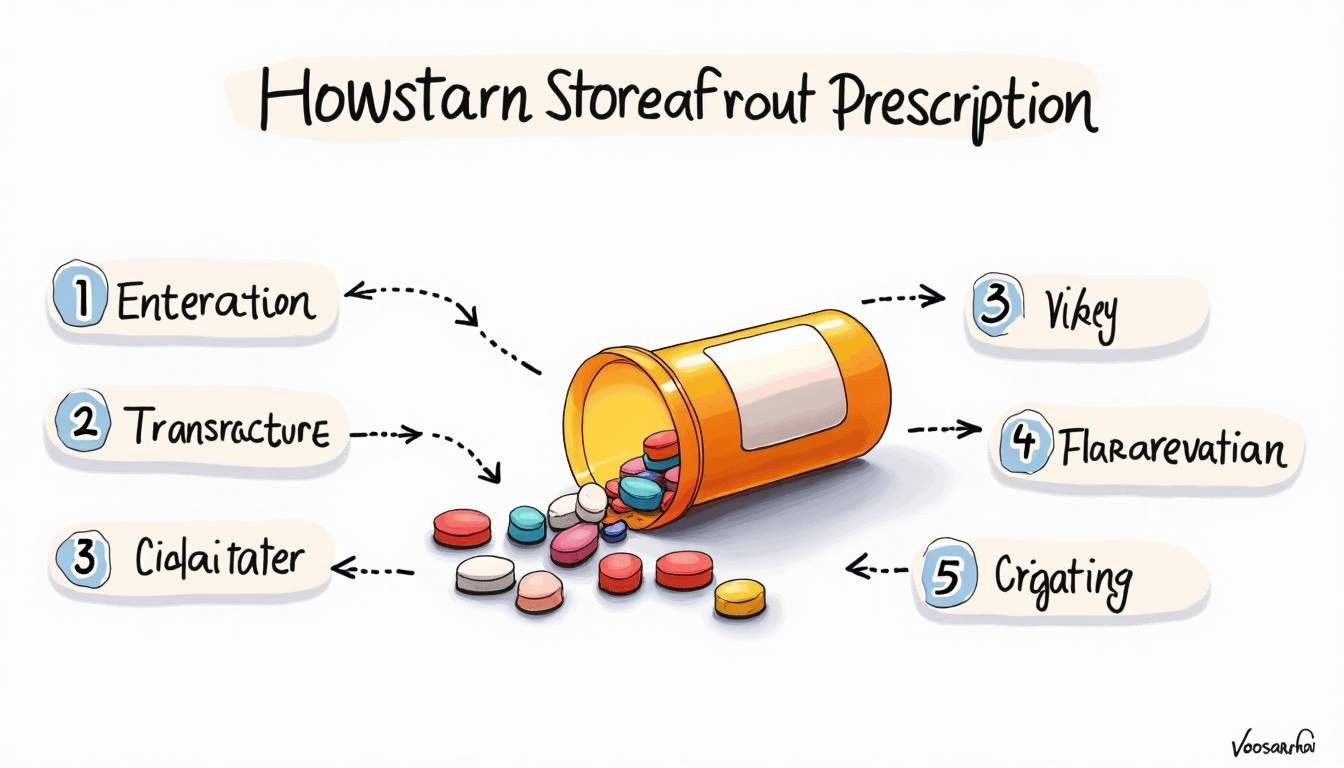
Step 2: Gather Necessary Information
To facilitate the transfer, you’ll need to provide the new pharmacy with some key details:
- Your full name and date of birth
- The name and phone number of your current pharmacy
- The medication name, dosage, and quantity
- Your doctor’s name and contact information
- Your insurance information, if applicable
Having this information ready can speed up the process and reduce the chance of errors. It’s also a good idea to double-check the medication details with your healthcare provider, especially if you have recently changed dosages or added new prescriptions. This ensures that the new pharmacy has the most accurate and up-to-date information regarding your treatment plan.
Step 3: Contact the New Pharmacy
Once you have your information, reach out to the new pharmacy. Many pharmacies allow you to request a transfer in person, over the phone, or even online through their websites or apps. Inform them that you would like to transfer your prescription and provide the details you gathered. If you prefer a more personal touch, visiting the pharmacy in person can also give you a chance to meet the staff and ask any questions you may have about their services or policies.
Step 4: Wait for the Transfer to Complete
The new pharmacy will handle the communication with your current pharmacy. This usually takes a few hours to a couple of days, depending on the pharmacies involved and the medication. During this time, it’s best to avoid running out of your medication by planning ahead. If you find yourself in a situation where you need your medication urgently, don’t hesitate to communicate this to the new pharmacy; they may be able to expedite the process or provide a temporary supply until the transfer is finalized.
Step 5: Pick Up Your Medication
Once the transfer is complete, the new pharmacy will notify you that your prescription is ready. You can then pick up your medication or arrange for delivery if the pharmacy offers that service. When you arrive, take a moment to review the medication and ensure that it matches what you were prescribed. If you have any questions about the medication, side effects, or how to take it, don’t hesitate to ask the pharmacist; they are there to help you understand your treatment and ensure your safety.
Common Challenges and How to Overcome Them
Issue: Prescription Not Transferable
Some prescriptions, particularly controlled substances like opioids or certain stimulants, may not be transferable due to legal restrictions. If this happens, you’ll need to contact your healthcare provider to get a new prescription written for the new pharmacy.
Issue: No Remaining Refills
If your prescription has no refills left, the new pharmacy cannot transfer it. In this case, you will need to contact your doctor to request a new prescription. It’s a good idea to keep track of your refill status to avoid interruptions in your medication.
Issue: Pharmacy Doesn’t Respond Quickly
Sometimes, the current pharmacy may be slow to respond to transfer requests. If this happens, don’t hesitate to follow up with both pharmacies. Being proactive can help speed up the process.
Issue: Insurance or Pricing Differences
After transferring, you might discover that the new pharmacy’s pricing or insurance coverage differs from your previous one. To avoid surprises, check with the new pharmacy and your insurance provider beforehand to understand any cost implications.
Tips for a Smooth Prescription Transfer
Plan Ahead to Avoid Gaps in Medication
Transferring a prescription can take time, so it’s important to start the process well before you run out of medication. This is especially critical for medications you take daily or for chronic conditions.
Keep Your Information Updated
Make sure your personal details, insurance information, and contact numbers are current at both pharmacies. This helps prevent delays caused by missing or incorrect information.
Communicate Clearly with Your Pharmacies
Don’t hesitate to ask questions or request updates during the transfer process. Clear communication can help resolve issues quickly and ensure your medication is ready when you need it.
Understand Your Insurance Coverage
Insurance plans can vary in terms of preferred pharmacies and coverage for specific medications. Contact your insurance provider to confirm that your new pharmacy is in-network and that your prescription will be covered.
When to Avoid Transferring Your Prescription
While transferring prescriptions is generally safe and convenient, there are situations where it might be better to avoid or delay the transfer. For example, if you are in the middle of a treatment plan that requires close monitoring, changing pharmacies might disrupt continuity. Similarly, if you are unsure about the new pharmacy’s reliability or services, it’s best to research thoroughly before making the switch.
Additionally, if you have a complex medication regimen or use specialized compounding pharmacies, transferring prescriptions might require extra coordination with your healthcare provider.
How Technology is Changing Prescription Transfers
Advancements in technology have made prescription transfers easier than ever. Many pharmacies now offer online portals and mobile apps where you can request transfers with just a few clicks. Electronic prescribing systems allow doctors to send prescriptions directly to your chosen pharmacy, streamlining the process even further.
Some pharmacies also provide real-time status updates, so you can track the progress of your transfer and know exactly when your medication will be ready. These innovations reduce wait times and improve overall convenience for patients.
Conclusion
Transferring your prescription is a routine task that can be completed smoothly with the right preparation and knowledge. By understanding the process, gathering necessary information, and communicating effectively with your pharmacies, you can ensure that your medication needs are met without interruption.
Remember to consider the reasons for transferring, be aware of potential challenges, and leverage technology to make the experience as seamless as possible. With these tips in mind, switching pharmacies can be a hassle-free way to improve your access to medications and enhance your healthcare experience.