When it comes to vehicle maintenance, oil changes are often seen as a routine chore—something to check off the list every few thousand miles. However, the importance of regular oil changes extends far beyond just keeping your car running smoothly. In fact, neglecting this simple task can lead to serious engine problems, costly repairs, and even shorten the lifespan of your vehicle. This article explores why regular oil changes matter more than you might think and how they contribute to your car’s overall health and performance.
The Essential Role of Engine Oil
Engine oil is much more than just a lubricant. It plays several critical roles that keep your engine functioning efficiently and reliably. Understanding these roles helps highlight why regular oil changes are so vital.
Lubrication to Reduce Friction
The engine contains numerous moving parts, including pistons, valves, and camshafts, all operating at high speeds and temperatures. Without proper lubrication, these components would grind against each other, causing excessive wear and tear. Engine oil forms a thin film between these parts, reducing friction and preventing damage.
Over time, oil breaks down and loses its lubricating properties. This degradation means that old oil can no longer protect the engine effectively, leading to increased friction and potential engine damage. Moreover, the type of oil used can significantly impact the engine’s performance. Synthetic oils, for example, are engineered to provide superior lubrication and can withstand higher temperatures compared to conventional oils, making them a popular choice for high-performance vehicles.
Cooling and Heat Dissipation
Besides lubrication, engine oil helps dissipate heat generated by the combustion process and friction between moving parts. While the cooling system manages most of the engine’s heat, oil plays a crucial secondary role by carrying heat away from critical components.
As oil ages, it thickens and becomes less effective at heat transfer. This can cause the engine to run hotter than normal, increasing the risk of overheating and component failure. In extreme cases, overheating can lead to catastrophic engine failure, necessitating costly repairs or even a complete engine replacement. Therefore, maintaining optimal oil viscosity is essential for ensuring that the engine operates within its designed temperature range, contributing to its longevity and efficiency. To learn more about proper engine care, visit Torrance Motors at the following link: https://www.torrancemotors.com/
Cleaning and Contaminant Removal
Engine oil also acts as a cleaning agent. It picks up dirt, metal particles, and combustion byproducts, preventing them from settling on engine parts. These contaminants can cause corrosion and wear if left unchecked.
When oil becomes saturated with debris, it loses its ability to clean effectively. Old oil can turn into sludge, clogging oil passages and starving the engine of lubrication. Regular oil changes not only replenish the oil’s cleaning properties but also help maintain the overall health of the engine. Additionally, many modern oils contain detergents and additives specifically designed to combat sludge and varnish buildup, further enhancing the oil’s ability to keep the engine clean. This proactive approach to engine maintenance can significantly extend the life of the engine and improve its performance over time.
Consequences of Skipping Oil Changes
Failing to change your oil regularly can have a domino effect on your vehicle’s health. The consequences often start small but can quickly escalate into major problems.
Engine Wear and Tear
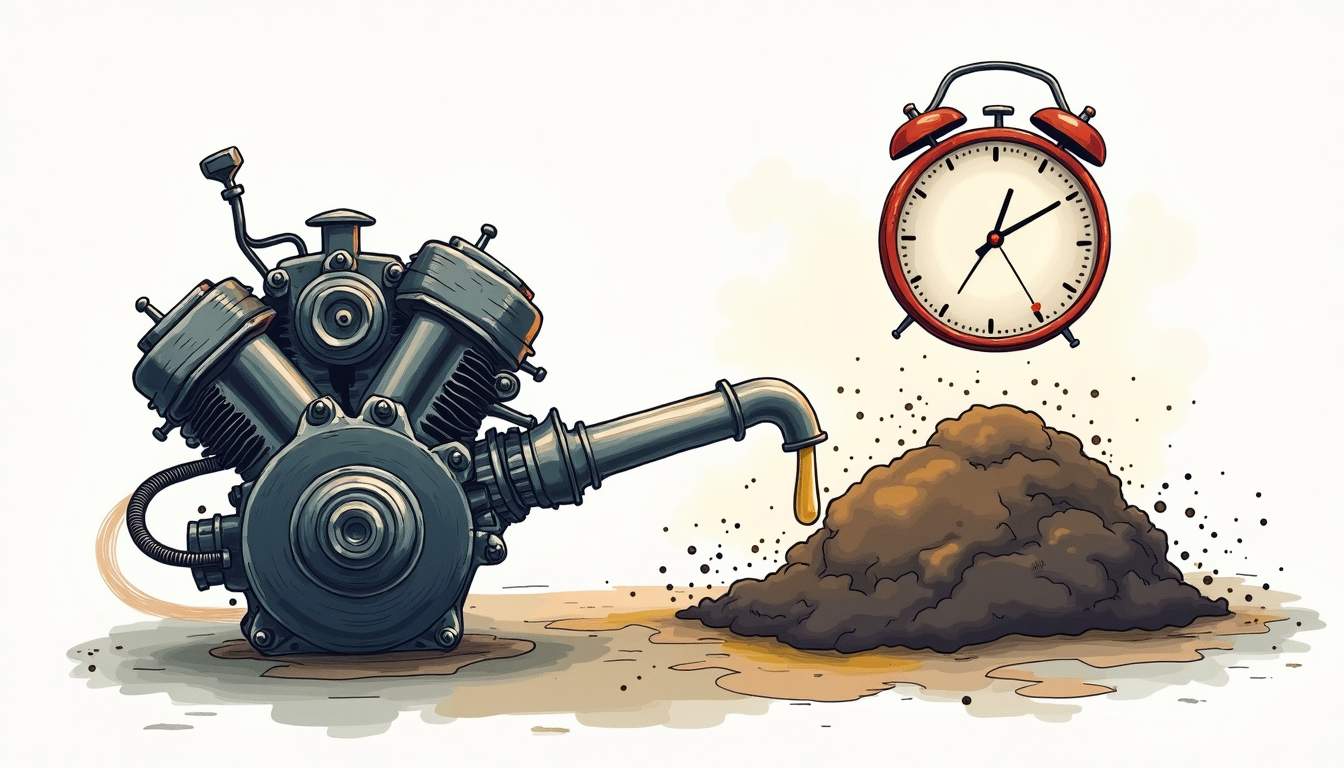
As oil degrades, it no longer protects the engine’s moving parts adequately. Increased friction leads to accelerated wear, which can cause components to fail prematurely. This wear may manifest as reduced engine performance, strange noises, or even engine knocking.
Over time, worn engine parts can result in decreased fuel efficiency and power, making your vehicle less enjoyable and more expensive to operate. Moreover, the cost of repairs can add up significantly, as replacing worn-out components is often far more expensive than the routine maintenance of oil changes. It’s also worth noting that some manufacturers may void warranties if regular maintenance, including oil changes, is not adhered to, further emphasizing the importance of keeping up with this essential service.
Sludge Buildup and Blockages
Old, dirty oil can turn into sludge—a thick, sticky substance that clogs oil passages and filters. Sludge restricts oil flow, meaning critical engine components may not receive enough lubrication.
Blocked oil passages increase the risk of engine overheating and part seizure, which can lead to catastrophic engine failure. Repairing or replacing an engine damaged by sludge is often costly and time-consuming. Additionally, the presence of sludge can make it difficult for mechanics to diagnose other potential issues, as the symptoms of sludge buildup can mimic those of various engine problems. This can lead to unnecessary repairs and expenses, compounding the financial impact of neglecting oil changes.
Reduced Fuel Efficiency and Increased Emissions
Engines running on degraded oil tend to work harder to overcome increased friction and heat. This inefficiency translates into higher fuel consumption and increased emissions, which not only hurts your wallet but also the environment.
Regular oil changes help maintain optimal engine performance, ensuring your vehicle runs cleaner and more efficiently. In fact, studies have shown that vehicles with well-maintained engines can achieve up to 10% better fuel economy compared to those with neglected oil changes. This not only saves you money at the pump but also contributes to lower greenhouse gas emissions, making it a responsible choice for environmentally conscious drivers. Furthermore, many modern engines are designed with tighter tolerances, making them even more susceptible to the negative effects of dirty oil, highlighting the critical need for regular maintenance in today’s vehicles.
How Often Should You Change Your Oil?
The frequency of oil changes depends on several factors, including your vehicle’s make and model, driving habits, and the type of oil used. While traditional advice suggested changing oil every 3,000 miles, advances in engine technology and oil formulations have extended this interval for many cars.
Consult Your Owner’s Manual
The best source of information on oil change intervals is your vehicle’s owner’s manual. Manufacturers provide recommended service schedules tailored to your engine’s design and oil specifications.
Following these guidelines ensures your car receives the right care and helps maintain warranty coverage.
Consider Your Driving Conditions
Driving habits and conditions can influence how often you need an oil change. Frequent short trips, stop-and-go traffic, extreme temperatures, towing heavy loads, or driving in dusty environments can accelerate oil degradation.
If you regularly encounter these conditions, you may need to change your oil more frequently than the standard recommendation.
Types of Oil and Their Impact
There are several types of engine oil, including conventional, synthetic blend, and full synthetic. Synthetic oils generally last longer and perform better under extreme conditions, allowing for extended oil change intervals.
However, synthetic oils tend to be more expensive, so balancing cost and convenience is important. Always use the oil grade and type recommended by your vehicle manufacturer.
Signs You Need an Oil Change
Even if you follow a regular maintenance schedule, it’s helpful to recognize signs that your vehicle might need an oil change sooner than expected.
Oil Change Indicator Light
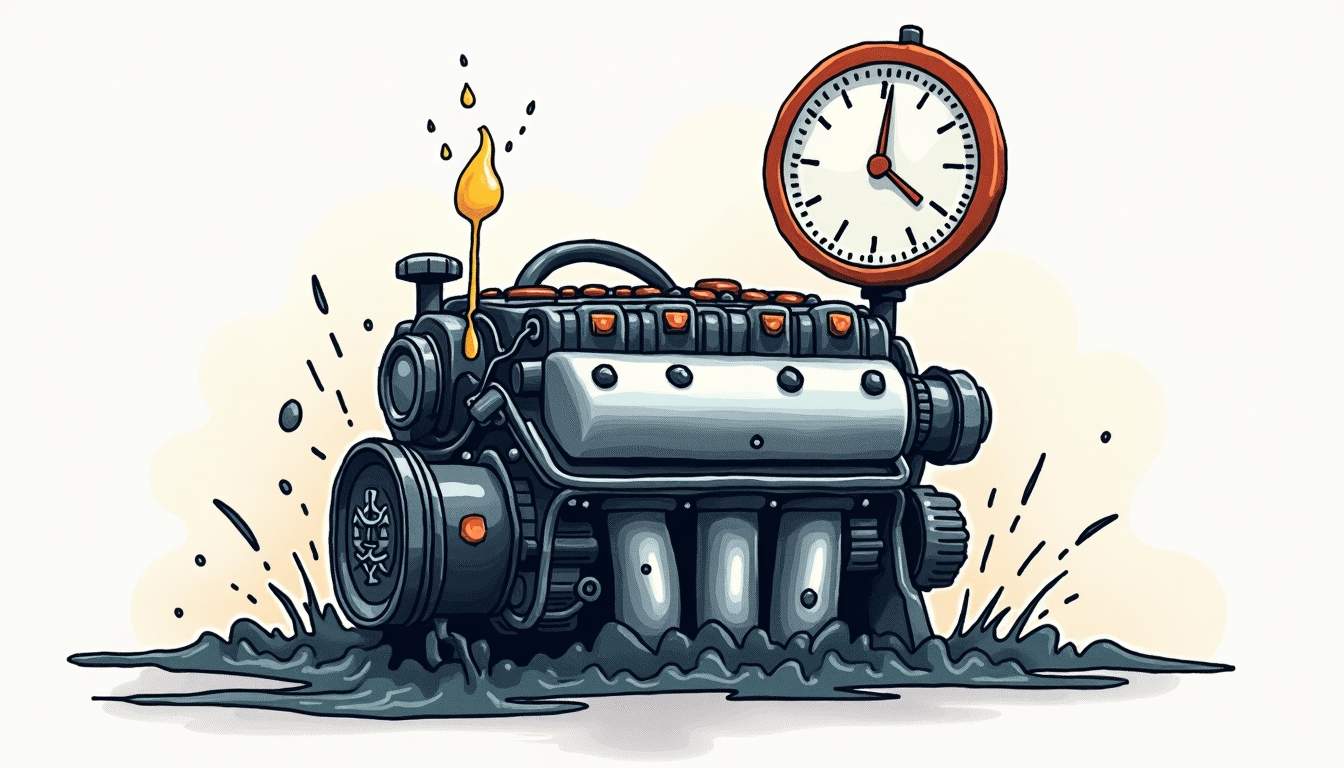
Many modern vehicles are equipped with oil change or maintenance reminder lights. When this light illuminates, it’s a clear indication that an oil change is due.
Ignoring this warning can lead to the problems discussed earlier, so it’s best to act promptly.
Dark, Dirty Oil
Fresh oil is typically amber and translucent. Over time, it darkens as it collects contaminants. Checking your oil’s color and consistency with the dipstick can give you a quick visual cue about its condition.
If the oil looks very dark, gritty, or thick, it’s time for a change.
Unusual Engine Noises
If you hear knocking, ticking, or other unusual sounds from your engine, it may be due to insufficient lubrication caused by old or low oil levels.
Addressing these noises early can prevent serious damage.
Additional Benefits of Regular Oil Changes
Beyond protecting your engine, regular oil changes provide several other advantages that contribute to a better driving experience and long-term savings.
Improved Engine Performance
Clean, fresh oil helps your engine run smoothly and efficiently. This translates into better acceleration, smoother idling, and overall improved performance.
Extended Engine Life
Consistent oil changes reduce wear and tear, helping your engine last longer. A well-maintained engine can keep your vehicle on the road for many more miles, delaying the need for costly replacements.
Higher Resale Value
Vehicles with a documented maintenance history, including regular oil changes, tend to retain higher resale value. Prospective buyers view this as a sign of responsible ownership and a well-cared-for car.
Tips for Maintaining Your Vehicle’s Oil
To maximize the benefits of regular oil changes, consider these practical tips for oil maintenance.
Check Oil Levels Regularly
Even between oil changes, it’s a good idea to check your oil level monthly. Low oil levels can cause engine damage, so topping off as needed helps maintain proper lubrication.
Use the Right Oil
Always use the oil grade and type specified in your owner’s manual. Using the wrong oil can reduce engine efficiency and potentially cause damage.
Choose a Reputable Service Provider
Whether you change your oil yourself or take your car to a mechanic, ensure the job is done correctly. Using quality oil and filters and following proper procedures is essential for engine health.
Conclusion
Regular oil changes are one of the simplest yet most important maintenance tasks you can perform on your vehicle. They protect your engine from wear, improve performance, reduce emissions, and save you money in the long run.

By understanding the crucial role engine oil plays and recognizing the signs that an oil change is needed, you can keep your car running smoothly and avoid costly repairs. Make oil changes a priority, and your vehicle will thank you with years of reliable service.