Door closers are essential hardware components that ensure doors close smoothly and securely without slamming. Whether in residential, commercial, or public buildings, installing a door closer provides controlled closing, enhances safety, improves energy efficiency, and extends the lifespan of doors and frames. This comprehensive guide explores the benefits of door closers, the different types available, and a step-by-step approach to installing them effectively.
Understanding the Importance of Door Closers
Door closers play a crucial role in managing how doors operate. Without them, doors can slam shut, causing damage to the door, frame, and surrounding walls, as well as posing a safety hazard to anyone nearby. Controlled closing mechanisms prevent these issues by regulating the speed and force with which a door closes.
Beyond preventing damage and injury, door closers contribute to maintaining indoor climate control by ensuring doors close completely, which is especially important in buildings with heating or air conditioning systems. They also help maintain security by making sure doors are not left open unintentionally.
In commercial settings, door closers are often mandated by building codes and fire safety regulations to ensure that fire doors close automatically, preventing the spread of smoke and fire. This highlights their critical role in occupant safety.
Moreover, door closers come in various types, including hydraulic, pneumatic, and spring-loaded models, each designed to meet specific needs and preferences. Hydraulic door closers, for instance, offer a smooth and controlled closing action, making them ideal for high-traffic areas where noise reduction is a priority. On the other hand, pneumatic closers utilize air pressure to control the door’s movement, which can be particularly advantageous in environments where temperature fluctuations might affect performance. Understanding these differences allows property owners to select the most suitable option for their unique circumstances.
In addition to their functional benefits, door closers can also enhance the aesthetic appeal of a space. Many modern designs are sleek and unobtrusive, allowing them to blend seamlessly with various architectural styles. Some manufacturers even offer customizable finishes and designs, enabling businesses and homeowners to match their door closers to existing hardware or decor. This attention to detail not only improves the overall look of a building but also reinforces the importance of quality and safety in design choices. To explore more options and professional services, visit PS Handyman Singapore.
Types of Door Closers and Their Applications
Choosing the right door closer depends on the door type, usage frequency, and specific needs of the space. Here are some common types:
Surface-Mounted Door Closers
These are the most common and visible door closers, mounted on the door or frame surface. They are versatile and suitable for both interior and exterior doors. Surface-mounted closers come in a variety of sizes and strengths, making them adaptable for light to heavy doors. Additionally, they often feature adjustable closing speeds and latching actions, allowing for customization based on the specific requirements of the environment. This flexibility makes them a popular choice in residential homes, office buildings, and retail spaces, where different door types and traffic patterns necessitate a tailored approach.
Concealed Door Closers
For aesthetic reasons, concealed door closers are installed within the door or frame, making them invisible when the door is closed. These are ideal for high-end residential or commercial spaces where maintaining a clean look is important. However, installation is more complex and typically requires precise door and frame preparation. Concealed door closers not only enhance the visual appeal but also offer protection against tampering, making them a preferred option in secure environments such as banks and luxury hotels. Furthermore, their design often allows for quieter operation, contributing to a more serene atmosphere in spaces where noise reduction is a priority.
Floor-Spring Door Closers
These closers are installed in the floor beneath the door and are often used for heavy glass or metal doors. They provide a smooth, controlled closing action and are common in commercial buildings with high traffic. Floor-spring closers are particularly advantageous in settings where a seamless transition is desired, such as in shopping malls or conference centers. Their robust construction is designed to withstand frequent use, ensuring longevity and reliability. Additionally, many floor-spring models come equipped with features such as adjustable spring tension and hydraulic dampening, which allow for fine-tuning the closing speed and force to suit the specific demands of the environment.
Overhead Concealed Door Closers
Installed above the door within the door frame or header, these closers are hidden from view and provide a neat finish. They are often used in institutional buildings and places where aesthetics and security are priorities. Overhead concealed door closers are particularly beneficial in environments where doors need to be opened frequently and quickly, such as hospitals and schools. Their design minimizes the risk of obstruction and damage, as they are less likely to be impacted by foot traffic or equipment. Furthermore, these closers can be integrated with access control systems, enhancing security while maintaining the functionality of the door. The combination of form and function makes them a smart choice for modern architectural designs, where both style and practicality are essential.
Tools and Materials Needed for Installation
Before beginning the installation, gather all necessary tools and materials to ensure a smooth process. Here’s a typical list:
- Door closer kit (appropriate for your door type and size)
- Power drill with drill bits
- Screwdrivers (Phillips and flathead)
- Measuring tape
- Pencil or marker
- Level
- Wrench or adjustable spanner
- Safety glasses and gloves
- Chisel (for concealed closers)
- Template (usually included with the door closer)
Having these tools on hand will facilitate a safe and efficient installation process.
Step-by-Step Guide to Installing a Surface-Mounted Door Closer
Surface-mounted door closers are the most straightforward to install and are suitable for most standard doors. The following steps outline the installation process:
1. Choose the Correct Door Closer
Select a door closer rated for the weight and size of your door. Manufacturers typically provide guidelines for door weight and width compatibility. Using an undersized closer can result in poor performance, while an oversized unit may cause excessive closing force.
2. Read the Manufacturer’s Instructions
Each door closer model may have specific installation requirements. Carefully review the included instructions and templates to understand mounting positions and adjustments.
3. Prepare the Door and Frame
Close the door and use the template to mark the locations for the screws on both the door and frame. Use a pencil or marker to ensure accuracy. Double-check measurements with a level to ensure the closer will be mounted straight.
4. Drill Pilot Holes
Drill pilot holes at the marked points to make screw installation easier and prevent wood splitting. Use a drill bit size recommended by the manufacturer.
5. Attach the Door Closer Body
Secure the main body of the door closer to the door using screws. Ensure it is firmly attached and level.
6. Install the Arm and Bracket
Attach the arm to the closer body and then secure the bracket to the door frame. Depending on the model, the arm may need to be adjusted to the correct length or angle.
7. Adjust the Closing Speed and Force
Most door closers have adjustment screws to control the closing speed, latching speed, and backcheck. Use a screwdriver to fine-tune these settings for smooth and safe operation. Test the door by opening and letting it close several times, making adjustments as necessary.
8. Final Inspection
Check all screws and fittings to ensure they are tight. Confirm that the door closes fully without slamming and that the closing action is smooth and controlled.
Tips for Installing Concealed and Floor-Spring Door Closers
Installing concealed or floor-spring door closers requires more precision and sometimes professional tools. Here are some tips to consider:
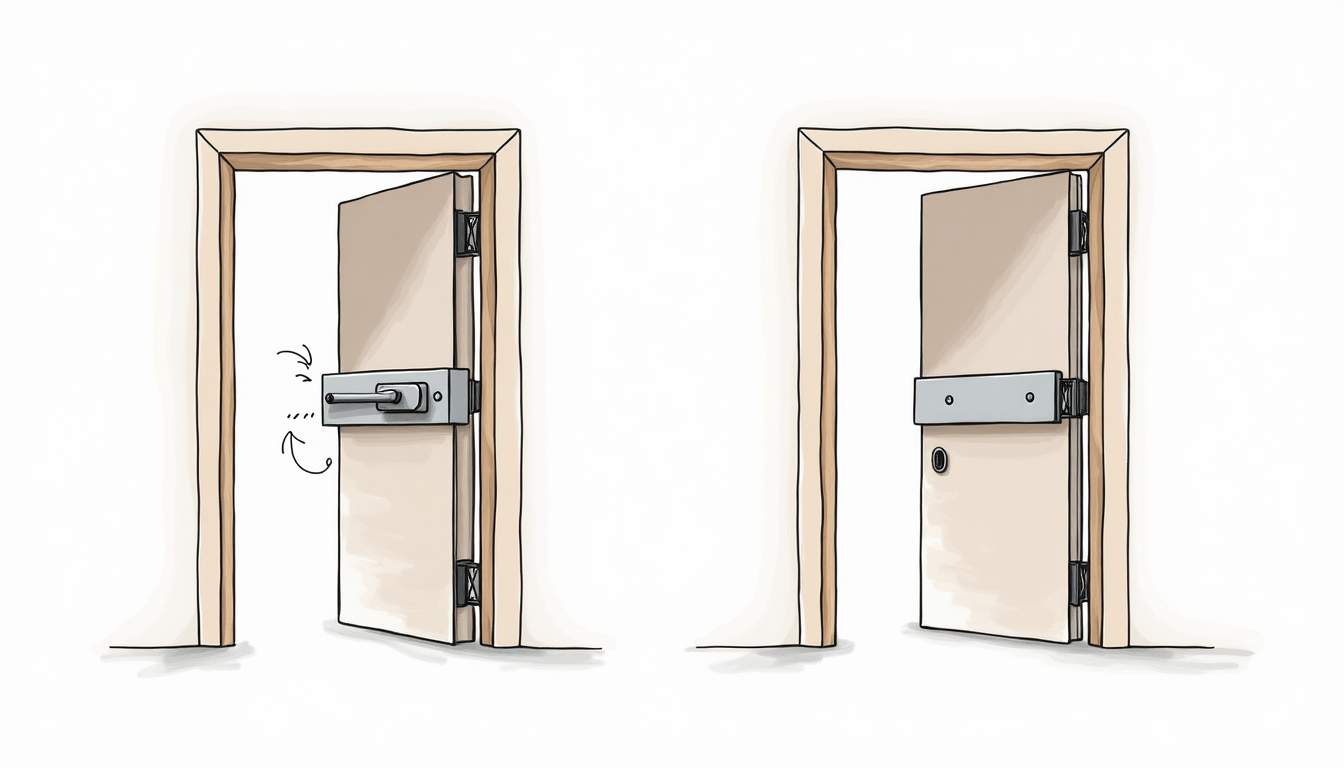
Concealed Door Closers
Because these closers are hidden within the door or frame, precise measurements and cutting are critical. It is often necessary to mortise the door or frame to fit the closer body. Use templates and take your time to avoid damaging the door. If unsure, consulting a professional installer is advisable.
Floor-Spring Door Closers
Installation involves embedding the closer mechanism into the floor, which may require cutting into concrete or wood flooring. Ensure the floor is level and structurally sound. Proper alignment with the door pivot is essential for smooth operation. Due to the complexity, hiring an experienced installer is often the best approach.
Maintenance and Troubleshooting of Door Closers
Once installed, door closers require periodic maintenance to ensure optimal performance. Regular checks can prevent issues such as doors slamming, failing to close fully, or closing too slowly.
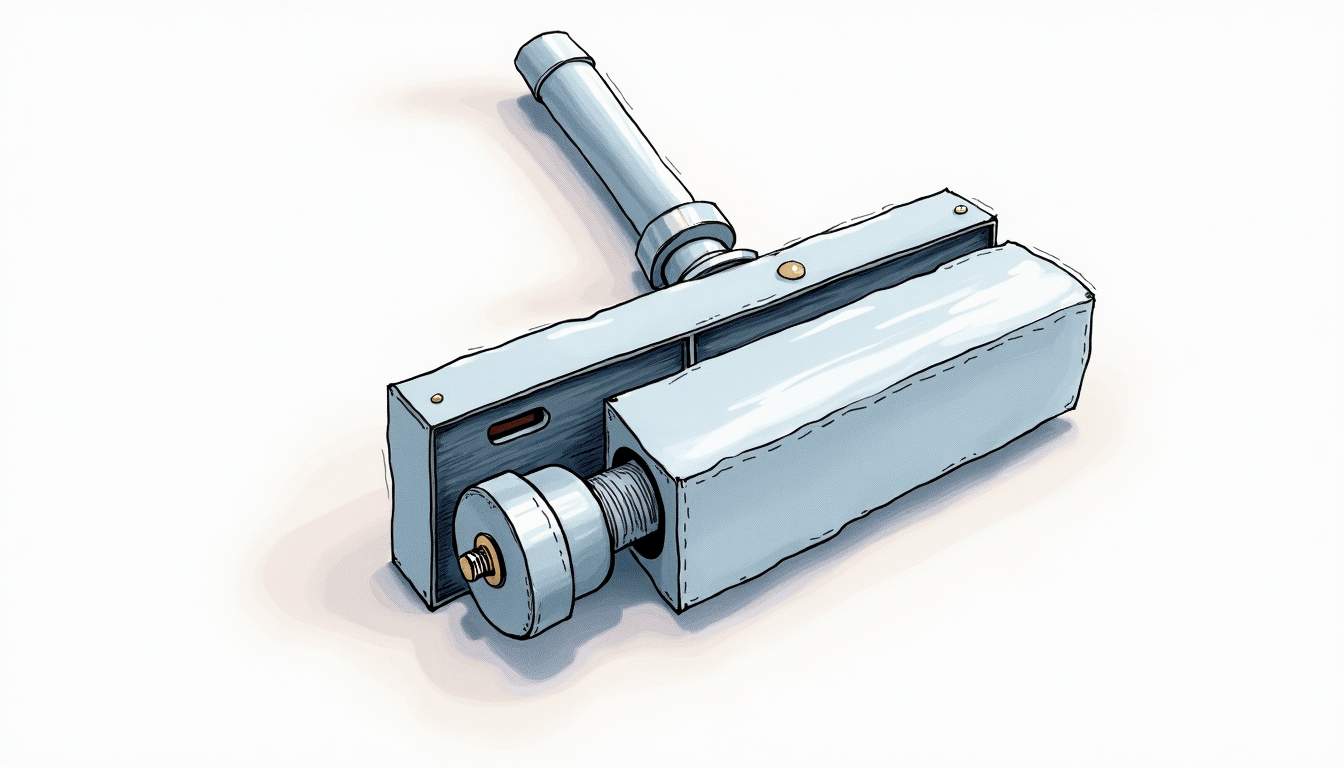
Routine Maintenance
Inspect the door closer for signs of wear or damage. Tighten any loose screws, clean the mechanism to remove dust and debris, and lubricate moving parts if recommended by the manufacturer. Check the hydraulic fluid levels in hydraulic closers and refill or replace as necessary.
Common Problems and Solutions
- Door Slams Shut: Adjust the closing speed and latching speed screws to slow the door down.
- Door Won’t Close Fully: Check for obstructions in the door path and adjust the arm length or angle. Ensure the door closer is properly aligned.
- Door Closer Leaks Fluid: Hydraulic fluid leaks indicate a damaged seal; the closer may need to be replaced.
- Door Closer Makes Noise: Lubricate moving parts and tighten any loose components.
Benefits of Professional Installation vs. DIY
While many door closers can be installed by homeowners or facility managers, there are advantages to hiring a professional, especially for complex installations like concealed or floor-spring closers.
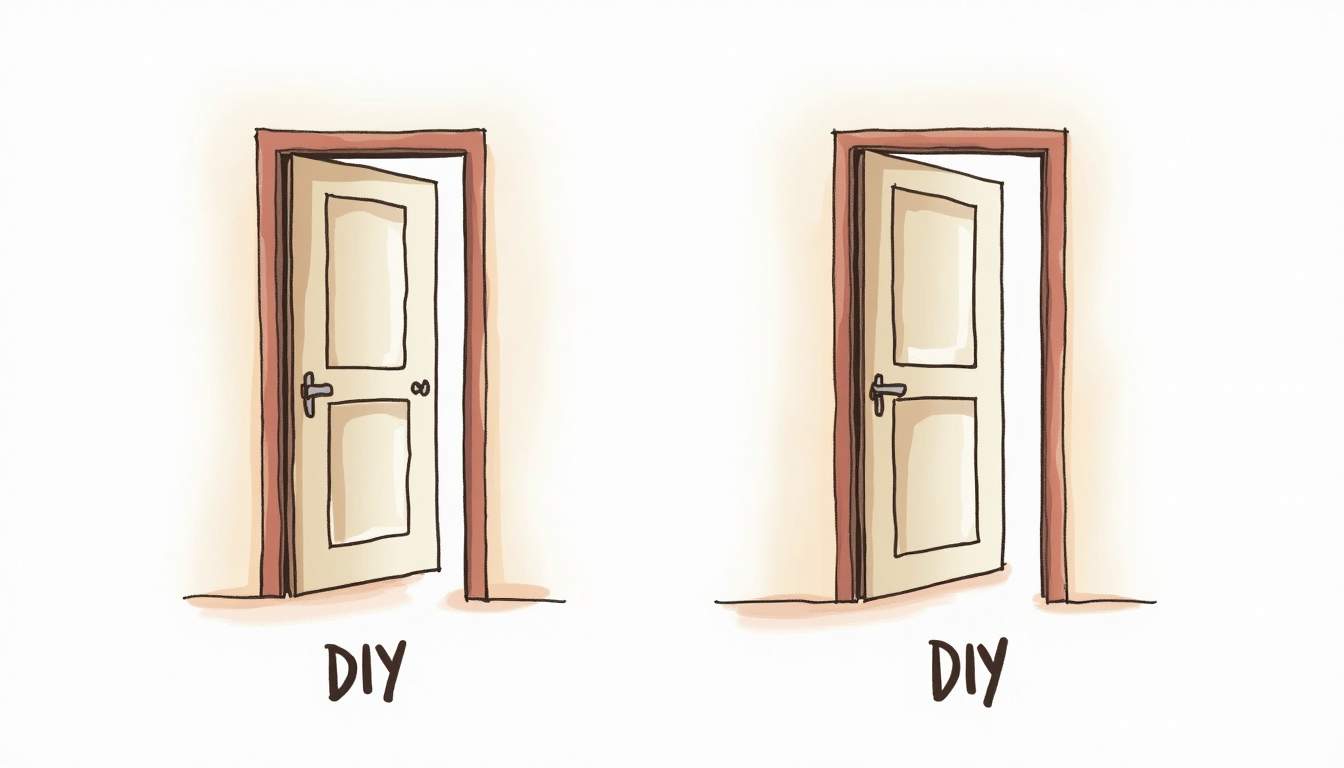
Professionals have the experience and tools to ensure precise installation, reducing the risk of damage to doors and frames. They can also ensure compliance with local building codes and fire safety regulations, which is crucial in commercial settings.
For simple surface-mounted closers on standard doors, a DIY approach can be cost-effective and rewarding. However, if the door is heavy, the installation site has special requirements, or if the closer is part of a fire-rated door system, professional installation is strongly recommended.
Conclusion
Installing a door closer is a practical solution for controlled door closing that enhances safety, security, and energy efficiency. Understanding the types of door closers and following a careful installation process ensures the door operates smoothly and reliably. Whether opting for a surface-mounted closer or a more concealed option, proper installation and maintenance will extend the life of the door and improve the overall functionality of the space.
For those new to door hardware installation, starting with a surface-mounted door closer is a manageable project that can yield immediate benefits. For more complex installations, seeking professional assistance ensures the job is done right the first time. Ultimately, a well-installed door closer is a small investment with lasting returns in convenience and peace of mind.