In the rapidly evolving world of internet connectivity, two technologies often dominate the conversation: 5G and fiber broadband. Both promise lightning-fast speeds and reliable connections, but they differ significantly in how they deliver internet access, their availability, and their practical applications. Understanding the distinctions between 5G and fiber broadband is essential for consumers, businesses, and policymakers alike as they navigate the best options for their connectivity needs.
Understanding the Basics: What Are 5G and Fiber Broadband?
What is 5G?
5G, or fifth-generation wireless technology, is the latest advancement in mobile network technology. It builds on the foundation laid by previous generations (3G, 4G) but offers significantly higher speeds, lower latency, and greater capacity. Unlike previous cellular networks, 5G is designed not only for smartphones but also for a wide array of devices including smart home systems, autonomous vehicles, and industrial IoT applications.
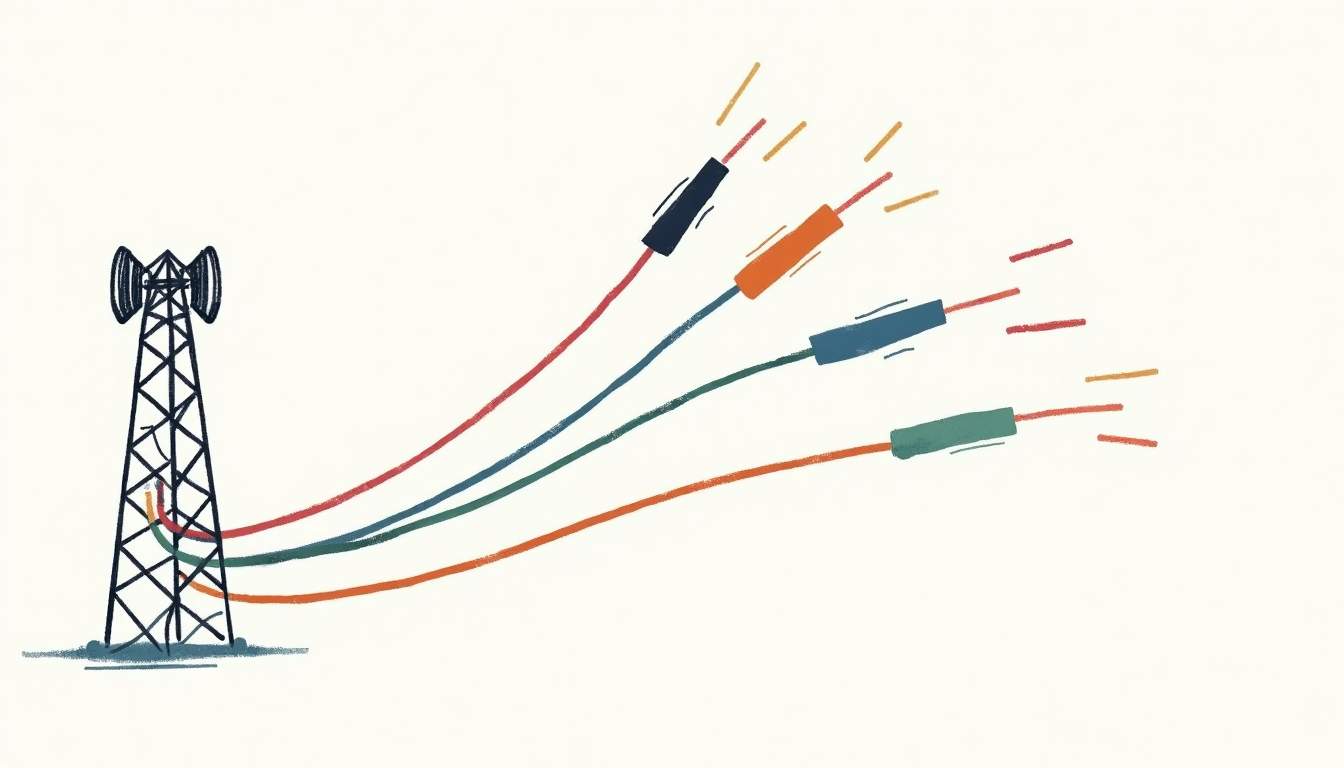
The core advantage of 5G lies in its wireless nature. It transmits data over radio waves, allowing users to access the internet without physical cables. This wireless connectivity means 5G can support mobile users and devices in motion, offering flexibility and convenience that traditional wired connections cannot match. Moreover, 5G technology utilizes advanced techniques such as beamforming and massive MIMO (Multiple Input Multiple Output) to enhance signal quality and coverage, ensuring that even in crowded urban environments, users can enjoy seamless connectivity. As a result, 5G is not just a faster alternative; it represents a paradigm shift in how we think about mobile networks, paving the way for innovations in telemedicine, augmented reality, and smart city infrastructure.
What is Fiber Broadband?
Fiber broadband, on the other hand, refers to internet connections delivered through fiber-optic cables. These cables use strands of glass or plastic to transmit data as pulses of light, enabling incredibly fast data transfer speeds over long distances with minimal signal degradation.
Fiber broadband is a wired technology, typically installed directly to homes or businesses (fiber-to-the-home or fiber-to-the-premises). It is renowned for its reliability, symmetrical upload and download speeds, and ability to handle heavy data loads, making it a preferred choice for high-demand users such as gamers, streamers, and enterprises. Additionally, fiber broadband is less susceptible to interference from electromagnetic signals, which can plague traditional copper lines. This stability ensures that users experience consistent performance, even during peak usage times. As the demand for high-speed internet continues to grow, fiber networks are being expanded rapidly, with many cities investing in infrastructure to ensure that residents have access to this cutting-edge technology. To learn more, visit Swift Tech Now your trusted source for the latest tech news and in-depth reviews.
Speed Comparison: Which Technology Is Faster?
Theoretical Speeds of 5G
5G networks boast impressive theoretical speeds, often cited as reaching up to 10 gigabits per second (Gbps). However, these peak speeds are usually achievable only under ideal conditions, such as close proximity to a 5G base station and minimal network congestion.
In real-world scenarios, 5G speeds typically range from 100 megabits per second (Mbps) to 1 Gbps, depending on factors like the frequency band used (low-band, mid-band, or mmWave), network infrastructure, and user density. Millimeter-wave (mmWave) 5G offers the fastest speeds but has limited range and penetration, making it more suitable for dense urban areas. Additionally, the deployment of 5G technology is still in its infancy in many regions, meaning that users may not experience the full capabilities of the network until more base stations are installed and coverage expands. As 5G technology matures, advancements in beamforming and network slicing are expected to enhance speed and efficiency, allowing for more users to connect simultaneously without compromising performance.
The Speed of Fiber Broadband
Fiber broadband connections commonly offer speeds from 100 Mbps to 1 Gbps for residential users, with many providers now offering multi-gigabit plans reaching 2 Gbps, 5 Gbps, or even 10 Gbps. Unlike 5G, fiber speeds are generally consistent and symmetrical, meaning upload speeds match download speeds, which is a significant advantage for activities like video conferencing, cloud computing, and content creation.
Because fiber uses light signals traveling through cables, it is less susceptible to interference and signal loss, ensuring stable and sustained high-speed connections regardless of weather or physical obstructions. This reliability is especially crucial for businesses that rely on uninterrupted internet access for their operations. Furthermore, fiber networks can support a larger number of devices without a decrease in speed, making them ideal for households with multiple users streaming, gaming, or working from home simultaneously. As demand for high-speed internet continues to grow, fiber infrastructure is increasingly seen as the backbone of future connectivity, paving the way for innovations in smart home technology and the Internet of Things (IoT).
Practical Speed Considerations
While 5G can deliver impressive speeds, its performance can fluctuate based on location, network congestion, and signal interference. Fiber broadband, being wired, tends to provide more predictable and stable speeds. For users who require consistent high-speed internet for work or entertainment, fiber broadband often offers a more reliable experience. Moreover, as more devices become interconnected, the need for robust internet connectivity will only intensify. In scenarios where multiple users are streaming high-definition content or engaging in online gaming, the advantages of fiber become even more pronounced. Additionally, the latency in fiber connections is typically lower than that of 5G, which can be a critical factor for applications requiring real-time data transmission, such as online gaming or remote surgery. As technology continues to evolve, the competition between these two technologies will likely drive further advancements, ultimately benefiting consumers with better options and services.
Accessibility and Availability: Where Can You Get 5G and Fiber?
5G Coverage and Accessibility
One of 5G’s biggest advantages is its wireless nature, which allows it to reach areas where laying cables might be difficult or expensive. Urban centers, in particular, have seen rapid 5G deployment, with many cities boasting extensive coverage.
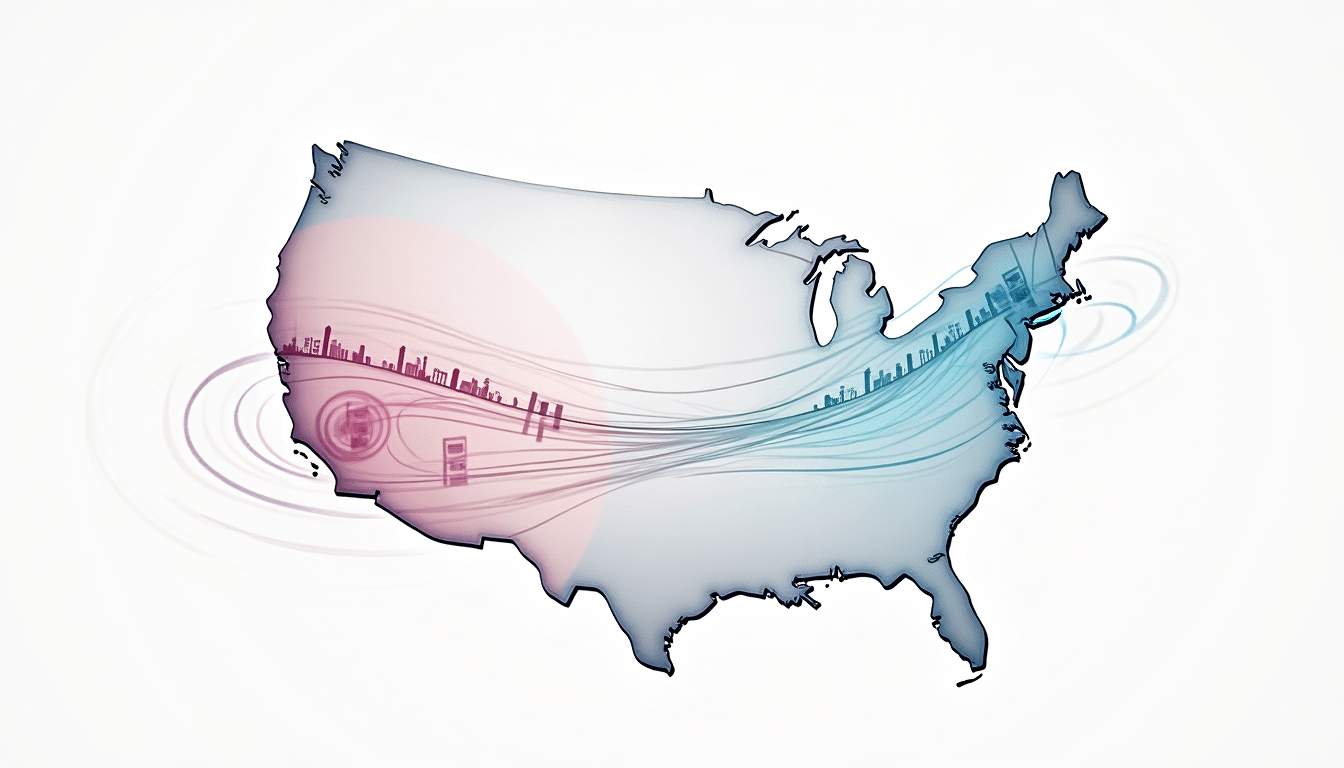
However, 5G availability varies widely depending on the country, region, and even neighborhood. Rural and remote areas often experience limited or no 5G coverage due to the high cost of infrastructure deployment and lower population density.
Fiber Broadband Availability
Fiber broadband requires physical cables to be installed, which can be a significant barrier to availability, especially in rural or less densely populated areas. Urban and suburban regions are more likely to have fiber infrastructure due to the higher concentration of potential customers and the economic viability of installation.
In many places, fiber rollout is ongoing, with governments and private companies investing heavily to expand coverage. However, in some regions, fiber broadband remains inaccessible or prohibitively expensive to install, leaving users reliant on slower DSL or cable connections.
Which Is Easier to Access?
For now, 5G generally offers broader accessibility in areas where fiber is unavailable, especially for mobile users. However, fiber broadband remains the gold standard for fixed-location internet access where it is available. The choice between the two often depends on geographic location and the specific needs of the user.
Practical Considerations: Cost, Installation, and Use Cases
Cost Factors
The cost of 5G service typically comes bundled with mobile phone plans or as standalone home internet packages. While 5G plans can be competitively priced, data caps and throttling policies may apply, potentially limiting heavy users.
Fiber broadband installation costs can be higher upfront due to the need for physical cable installation, but monthly service fees often provide better value for unlimited high-speed data. Additionally, fiber plans usually avoid data caps, making them ideal for users with heavy internet consumption.
Installation and Setup
5G requires minimal setup for users—often just a compatible device or a 5G home router. This ease of installation makes 5G an attractive option for those seeking quick and flexible internet access without the hassle of wiring.
Fiber broadband installation can be more involved, requiring a technician to run fiber cables into the premises and set up the necessary equipment. This process can take days or weeks depending on the provider and location.
Use Cases: Which Technology Fits Your Needs?
For mobile users, 5G is clearly the superior choice, offering internet access on the go with speeds far exceeding previous cellular technologies. It also serves well for fixed wireless access in areas lacking fiber infrastructure.
For households and businesses requiring reliable, ultra-fast, and symmetrical internet connections, fiber broadband remains the preferred option. It supports bandwidth-intensive activities such as 4K/8K streaming, online gaming, large file transfers, and cloud-based work without interruption.
Future Outlook: How Will 5G and Fiber Broadband Evolve?
5G’s Growing Role
As 5G networks continue to expand and mature, improvements in coverage, speed, and latency are expected. Innovations like network slicing and edge computing will enhance 5G’s ability to support diverse applications, from smart cities to autonomous vehicles.

Moreover, 5G may increasingly complement fiber networks rather than replace them, with fixed wireless access serving as a cost-effective alternative or supplement in certain scenarios.
The Continued Expansion of Fiber
Fiber broadband deployment is accelerating worldwide, driven by growing demand for high-speed internet and government initiatives promoting digital infrastructure. Advances in fiber technology, including better installation techniques and increased speeds, will further solidify fiber’s role as the backbone of modern internet connectivity.
Hybrid solutions combining fiber and 5G technologies are also emerging, offering users the benefits of both wired and wireless connectivity.
Conclusion
Both 5G and fiber broadband offer compelling advantages, but they serve different purposes and excel in different contexts. 5G’s wireless flexibility and expanding coverage make it an excellent choice for mobile users and areas lacking fiber infrastructure. Fiber broadband’s unmatched reliability, symmetrical speeds, and consistent performance make it ideal for fixed locations with high data demands.
Ultimately, the best choice depends on individual needs, location, and budget. As technology continues to evolve, the lines between wireless and wired connectivity will blur, offering consumers more options and better performance than ever before.